






What's Happening?
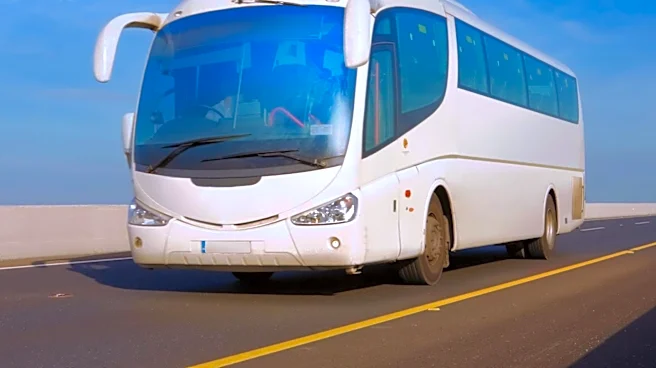
Coach transport remains a vital component of modern group tourism and event travel, facilitating the movement of multiple people on shared itineraries. This mode of transportation is particularly essential for school trips, corporate events, sporting
fixtures, and sightseeing tours, offering a structured approach to group movement. Tour operators frequently integrate coaches into multi-day tours, allowing groups to stay together, especially when destinations are not easily accessible by major rail networks or when multiple locations need to be visited. Many historic properties, rural attractions, and smaller towns lack direct public transport routes, making road-based group transport a practical solution. The events industry also heavily relies on organized coach transport for conferences, exhibitions, festivals, weddings, and sporting events, ensuring attendees can travel efficiently between hotels, venues, and transport hubs. This coordinated transport helps reduce uncertainty and keeps event schedules on track, particularly in rural venues where parking may be limited.
Why It's Important?
The continued reliance on coach transport underscores its importance in supporting various sectors of the U.S. economy, including tourism, education, and event management. For the tourism industry, coaches enable the development and execution of comprehensive tour packages, making diverse destinations accessible to groups and contributing to local economies through increased visitor traffic. In the educational sector, coaches are indispensable for school trips, facilitating learning experiences outside the classroom and ensuring student safety and supervision. The events industry benefits significantly from coach transport by streamlining logistics for large gatherings, which in turn supports local businesses such as hotels, restaurants, and entertainment venues. Furthermore, from an environmental perspective, a fully occupied coach can transport dozens of people using a single vehicle, potentially reducing the overall carbon footprint compared to individual car travel. This aspect aligns with broader sustainability goals and can help alleviate congestion around popular attractions and event locations, benefiting urban planning and infrastructure management.
What's Next?
The future of coach-based group travel is expected to be shaped by ongoing advancements in technology and evolving environmental policies. Digital booking systems are already simplifying the planning process for group travel, and further improvements in navigation and traffic monitoring tools will enhance route management efficiency. The industry is also facing increasing pressure to reduce transport emissions, which is driving investment in more efficient vehicles and alternative energy systems, such as electric drivetrains and alternative fuels. While the adoption of these technologies may vary based on operating conditions and infrastructure, the trend towards greener transport solutions is clear. As tourism, education, events, and community activities continue to generate demand for shared journeys, coach transport will likely remain a crucial part of the broader passenger travel network, adapting to new technologies and environmental standards to maintain its practical purpose.
Beyond the Headlines
Beyond its practical utility, coach transport plays a significant role in fostering community and shared experiences. Group travel inherently encourages social interaction and collective engagement, which can enhance the overall experience for participants in educational trips, community outings, and sports events. The accessibility aspect of modern coaches, with provisions for individuals with different mobility requirements, highlights a broader societal shift towards inclusivity in travel. This focus on accessibility ensures that a wider range of individuals can participate in group activities, promoting social equity. Moreover, the planning involved in coach journeys, from route optimization to passenger comfort and environmental considerations, reflects a complex interplay of logistical, social, and ethical dimensions. The industry's gradual shift towards lower-emission technologies also underscores a growing awareness of corporate social responsibility and the need for sustainable practices within the travel sector, influencing consumer choices and policy decisions.