







What's Happening?
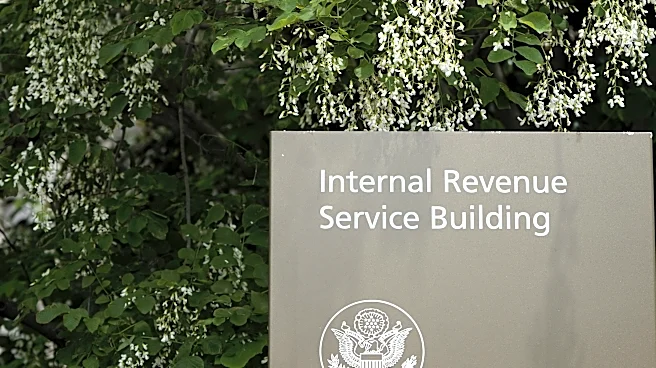
A report by the Treasury Inspector General for Tax Administration (TIGTA) has revealed that the Internal Revenue Service (IRS) provided nearly 47,000 taxpayer addresses to Immigration and Customs Enforcement (ICE). This data-sharing occurred under a memorandum
of understanding signed in April 2025 between the Department of Homeland Security and the Treasury Department. The agreement allowed ICE to request addresses for individuals under criminal investigation. However, the IRS faced challenges in accurately matching records due to inconsistent data formatting and concerns about the legality of the agreement. The report highlighted that less than 5% of the shared records had potentially incomplete address information.
Why It's Important?
The disclosure of taxpayer information to ICE raises significant privacy and legal concerns. The IRS is mandated to protect taxpayer data under strict confidentiality laws, and any breach could undermine public trust in the agency. The revelation has sparked criticism from lawmakers, with concerns about potential violations of taxpayer privacy laws. This incident underscores the need for robust data protection measures and clear legal frameworks governing inter-agency data sharing. The controversy may lead to increased scrutiny of the IRS's data handling practices and could influence future policy decisions regarding data privacy and inter-agency cooperation.
What's Next?
The TIGTA report did not include recommendations, but the findings may prompt legislative or administrative actions to address the identified issues. Lawmakers, particularly those concerned with privacy rights, may push for investigations or hearings to hold accountable those responsible for the data-sharing agreement. The IRS may also review and potentially revise its data-sharing protocols to prevent future breaches. Additionally, the incident could lead to broader discussions on the balance between national security and individual privacy rights, influencing future data-sharing agreements between government agencies.