



What's Happening?
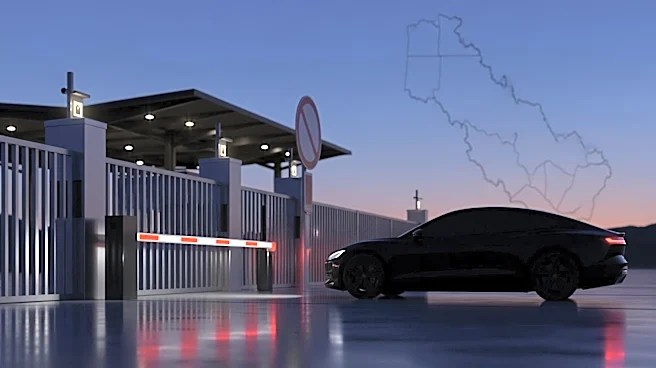
The U.S. ambassador to Canada has stated that Chinese electric vehicles (EVs) imported into Canada will not be allowed to cross the border into the United States. This announcement comes amid growing concerns over the influx of Chinese-manufactured vehicles into North
American markets. The ambassador's statement reflects a firm stance on preventing these vehicles from entering the U.S. market through Canada, highlighting the ongoing trade and regulatory challenges between the two countries. The decision is part of broader efforts to manage the impact of foreign automotive imports on the U.S. economy and to protect domestic manufacturers from potential market disruptions.
Why It's Important?
This development is significant as it underscores the complexities of international trade relations, particularly in the automotive sector. The U.S. government's decision to block Chinese EVs from entering the country via Canada could have implications for trade policies and economic relations between the U.S., Canada, and China. It also highlights the strategic importance of the automotive industry in national economic policies and the need to balance foreign competition with domestic industry protection. The move may affect Canadian importers and consumers who might have been considering Chinese EVs as a cost-effective alternative, potentially leading to shifts in market dynamics and consumer choices.