





What's Happening?
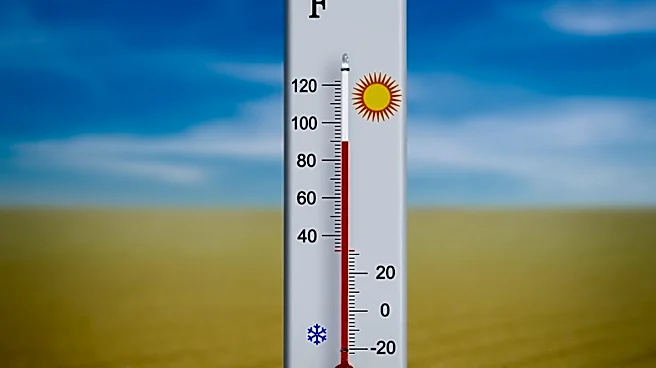
A significant heatwave is expected to impact the U.S. Southwest and Great Plains, with temperatures reaching triple digits. Meteorologist Lisa Meadows has reported that the heat will begin on Sunday and persist through Tuesday. This weather pattern is part
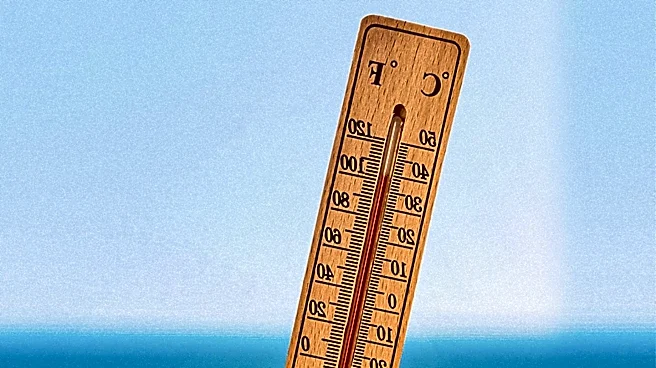
of a larger heat dome, which is anticipated to affect up to two-thirds of the continental United States. The heatwave is exacerbated by El Nino, a natural phenomenon that warms the equatorial Pacific and influences global weather patterns. Forecasters are advising residents to stay hydrated and seek cooler environments, as temperatures are predicted to be 15 to 25 degrees Fahrenheit above normal, including during nighttime hours.
Why It's Important?
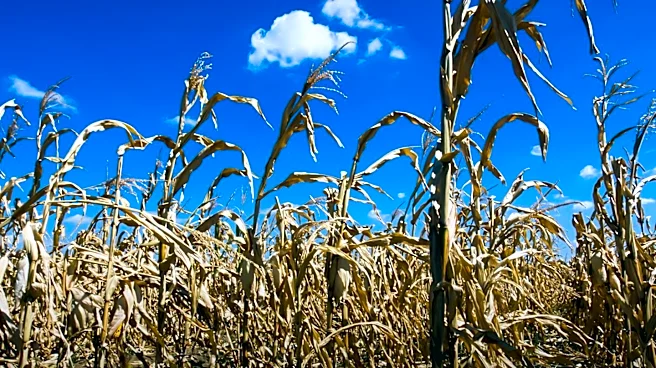
The impending heatwave poses significant health risks, particularly for vulnerable populations such as the elderly and those with pre-existing health conditions. The extreme temperatures can lead to heat-related illnesses, including heat exhaustion and heat stroke. Additionally, the heatwave may strain local infrastructure, including power grids, as increased demand for air conditioning could lead to outages. The agricultural sector may also be affected, with potential impacts on crop yields due to the extreme heat. This event underscores the broader implications of climate variability and the need for preparedness in the face of extreme weather conditions.
What's Next?
As the heatwave progresses, local authorities and emergency services are likely to implement measures to mitigate its impact, such as opening cooling centers and issuing public health advisories. Residents in affected areas are encouraged to monitor weather updates and follow safety guidelines to minimize health risks. The situation may prompt discussions on long-term strategies to address the increasing frequency and intensity of heatwaves, potentially influencing public policy and infrastructure planning.