




What's Happening?
Research indicates that individuals from working-class backgrounds constitute only about 1% of lawmakers in the U.S. Congress and state legislatures. This figure is consistent across both major political parties, despite their stated commitments to working-class Americans.
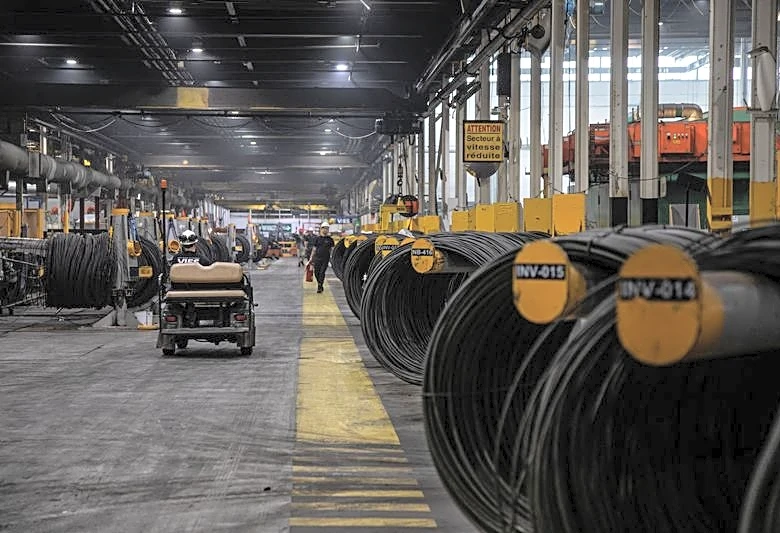
Globally, the average democracy sees only 2% of its national legislature composed of individuals whose last jobs were working-class. Working-class jobs are defined as manual labor, service industry, and clerical positions that offer limited stability or security, excluding small-business owners or those requiring extensive formal education. The primary reason for this underrepresentation is that working-class individuals rarely run for office, largely due to the personal burdens of campaigning, such as time off work and financial concerns. Political parties and interest groups, acting as gatekeepers, often favor white-collar professionals, believing they have an easier time on the campaign trail, even when working-class candidates are equally qualified and interested.
Why It's Important?
The significant underrepresentation of working-class individuals in U.S. political institutions has profound implications for policy outcomes. Research suggests that when working-class people hold fewer elected offices, safety net programs tend to be less robust, business regulations are weaker, and worker protections are diminished. This means that the interests of a substantial portion of the American workforce often go unaddressed in policy-making. While working-class individuals can influence policy through other means, their near-absence in elected office means their perspectives are not adequately integrated into legislative processes. This disparity can lead to policies that disproportionately benefit other segments of society, potentially exacerbating economic inequality and social stratification within the U.S.
What's Next?
Addressing the underrepresentation of working-class individuals in U.S. politics will require significant reform efforts. Proposed solutions include creating candidate training programs and political scholarships specifically targeting working-class people, such as the New Jersey AFL-CIO’s Labor Candidates School. Other, more long-term and potentially less likely, options involve establishing party or institutional quotas for working-class individuals or implementing randomly selected citizen juries to advise policymakers. Without such reforms, the research suggests that the proportion of working-class elected officials in the U.S. and other democracies will remain minimal. The effectiveness of these proposed changes will depend on political will and the willingness of existing political structures to adapt and create more accessible pathways to office for working-class citizens.
Beyond the Headlines
The persistent underrepresentation of working-class individuals in elected office highlights a deeper systemic issue within democratic processes, extending beyond mere campaign finance or union decline. It points to a fundamental challenge in how political talent is identified, nurtured, and supported. The personal burdens of campaigning, particularly the financial strain and time commitment, act as significant barriers, effectively disenfranchising a large segment of the population from direct political participation. This creates a political class that may not fully understand or prioritize the lived experiences and needs of working-class communities, leading to a disconnect between policy and public welfare. The ethical implications concern the fairness and representativeness of democratic governance, questioning whether a system that largely excludes a major demographic can truly claim to represent all its citizens effectively.