




What's Happening?
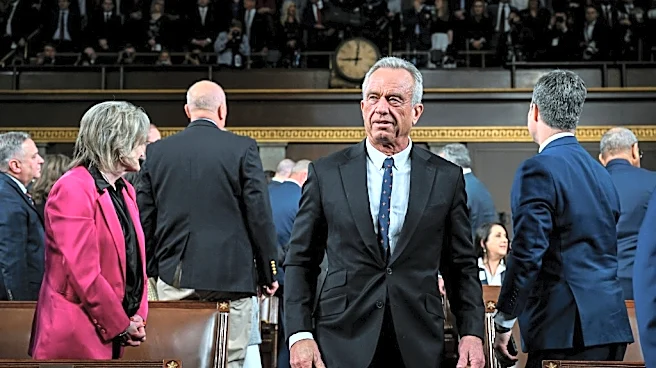
Qarsoq Høegh-Dam, a newly elected Greenlandic MP, is pushing for Greenland's full self-governance, aiming to make his role in the Danish parliament obsolete. Høegh-Dam represents the pro-independence Naleraq party and envisions a future where Greenland is solely
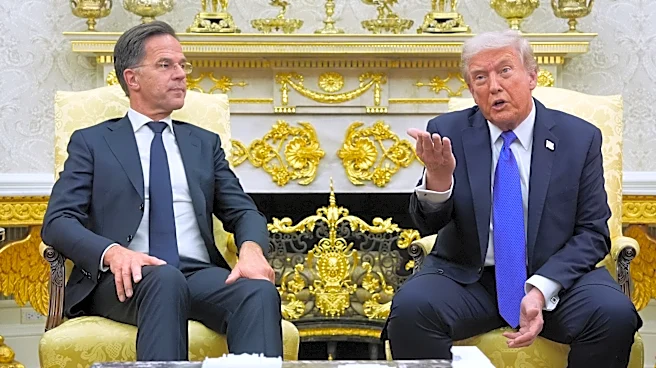
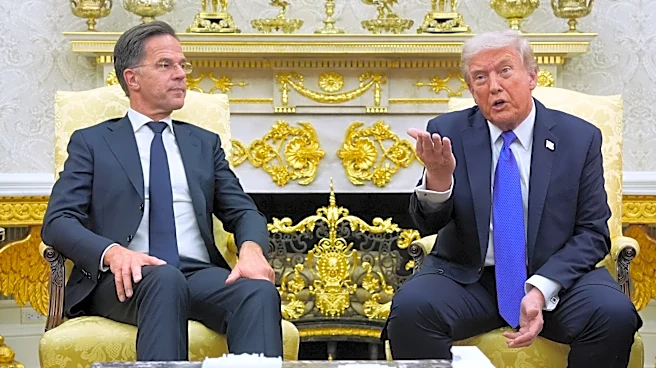
governed by its parliament in Nuuk. This move comes in the wake of heightened geopolitical tensions, notably when President Trump expressed interest in acquiring Greenland, leading Denmark to prepare for potential conflict. Although tensions have eased, discussions about Greenland's autonomy continue. Historically, Greenland has been under Danish control since 1721, gaining home rule in 1979, but Denmark still manages its foreign and security policies.
Why It's Important?
The push for Greenland's independence highlights the ongoing global interest in the Arctic region, driven by its strategic and resource-rich potential. Greenland's move towards self-governance could shift geopolitical dynamics, especially with superpowers like the U.S. and Russia showing interest. For Denmark, losing control over Greenland could mean a significant geopolitical and economic shift, affecting its influence in the Arctic. The situation underscores the importance of respecting indigenous rights and self-determination, which could set a precedent for other regions with similar aspirations.
What's Next?
As discussions continue, Greenland's political parties, including Naleraq, are likely to push for a smooth transition to independence, adhering to the 2009 act recognizing Greenland's right to self-determination. The outcome of these discussions could influence Denmark's internal politics and its relationship with Greenland. Internationally, other nations may respond by reassessing their Arctic strategies, potentially leading to new alliances or conflicts over Arctic resources and territories.