What's Happening?
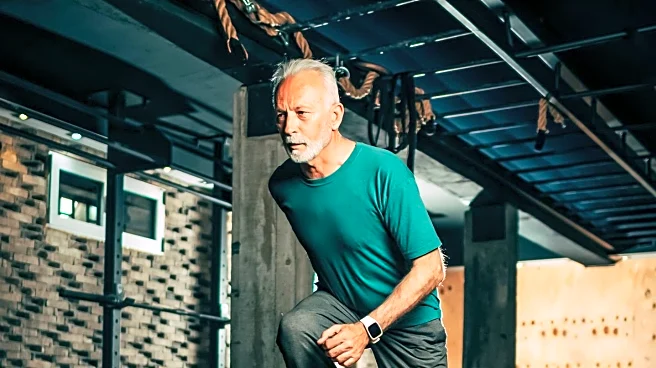
The Cleveland Clinic has brought attention to a simple 10-second balance test that may help predict longevity. This test, known as the single-leg stance test, involves standing on one foot for at least
10 seconds without support. It has been used in clinical settings to assess fall risk and has gained popularity following a 2022 study published in the British Journal of Sports Medicine. The study found that individuals who failed the test were 84% more likely to die within the next decade. Experts suggest that poor balance could indicate a higher risk of falls and chronic diseases, both of which are linked to early mortality. The test is not definitive but serves as a snapshot of overall health. Anne Vanderbilt, a geriatric medicine clinical nurse specialist at the Cleveland Clinic, emphasizes the importance of balance exercises, such as tai chi and water-based activities, to improve balance and potentially extend life expectancy.
Why It's Important?
The significance of this development lies in its potential impact on public health strategies and individual wellness practices. As fatal fall injuries have increased by 41% from 2012 to 2021, according to the CDC, identifying simple, predictive health measures like the balance test could help mitigate these risks. Encouraging regular balance exercises could lead to a reduction in fall-related injuries and associated healthcare costs. Moreover, the test underscores the broader importance of physical activity in promoting longevity, suggesting that individuals who maintain good balance are likely more active and thus healthier overall. This could influence healthcare providers to incorporate balance assessments into routine check-ups, promoting preventive care and healthier lifestyles.
What's Next?
The Cleveland Clinic and other health institutions may continue to research and promote balance-related exercises as part of a comprehensive approach to health and longevity. Public health campaigns could emerge, focusing on educating the population about the benefits of maintaining good balance and incorporating balance exercises into daily routines. Additionally, further studies could explore the specific mechanisms linking balance to longevity, potentially leading to new insights into aging and preventive health measures.