






What's Happening?
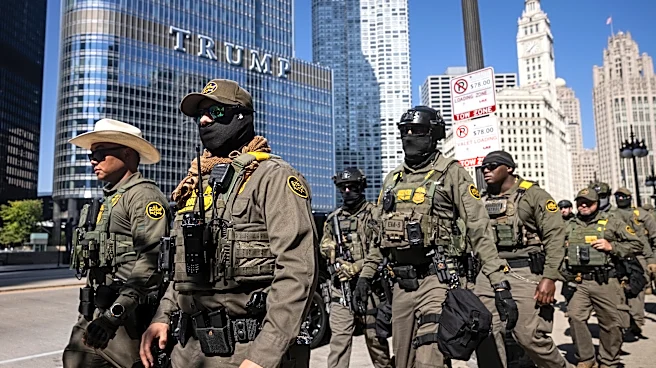
U.S. authorities are ramping up efforts to address birth tourism, a practice where foreign nationals travel to the United States to give birth, thereby securing citizenship for their children. The U.S. Immigration and Customs Enforcement (ICE) has launched
a 'Birth Tourism Initiative' through its Homeland Security Investigations division, targeting networks that allegedly assist pregnant women in misrepresenting their travel intentions on visa applications. This initiative is part of a broader immigration agenda under the Trump administration, which includes attempts to restrict birthright citizenship. In January 2025, President Trump signed an executive order limiting automatic citizenship for certain children born in the U.S., a move that has sparked legal challenges currently before the Supreme Court. The Department of Homeland Security is also aware of service-based operations that facilitate birth tourism, and Texas Attorney General Ken Paxton has filed a lawsuit against a Houston-based business accused of operating a birth tourism scheme.
Why It's Important?
The crackdown on birth tourism is significant as it touches on broader debates about immigration and citizenship in the United States. The Trump administration's efforts to restrict birthright citizenship could have far-reaching implications for immigration policy and the interpretation of the Fourteenth Amendment, which has historically granted citizenship to anyone born on U.S. soil. The legal challenges to President Trump's executive order could redefine citizenship rights and affect the demand for birth tourism. Additionally, the enforcement actions against alleged facilitation networks highlight concerns about visa fraud and the integrity of U.S. immigration systems. These developments could impact foreign nationals seeking U.S. citizenship for their children and influence public opinion on immigration policies.
What's Next?
The Supreme Court's decision on the legality of President Trump's executive order will be pivotal in determining the future of birthright citizenship in the United States. If the court upholds the order, it could lead to a significant reduction in birth tourism by limiting citizenship eligibility. Meanwhile, ICE and other federal agencies are likely to continue their enforcement efforts against networks facilitating birth tourism. The outcome of the Texas lawsuit against the Houston-based business could set a precedent for similar cases across the country. As these legal and enforcement actions unfold, they will likely provoke reactions from immigration advocates, legal experts, and policymakers, potentially influencing future immigration reforms.
Beyond the Headlines
The debate over birth tourism and birthright citizenship raises ethical and constitutional questions about the nature of citizenship and national identity. Critics argue that targeting birth tourism could undermine the principles of the Fourteenth Amendment and erode long-standing constitutional rights. The issue also highlights the tension between enforcing immigration laws and upholding the values of inclusivity and diversity that have historically defined the United States. As the country grapples with these complex issues, the discourse around birth tourism may prompt broader discussions about the role of immigration in shaping American society and the balance between security and openness.