




What's Happening?
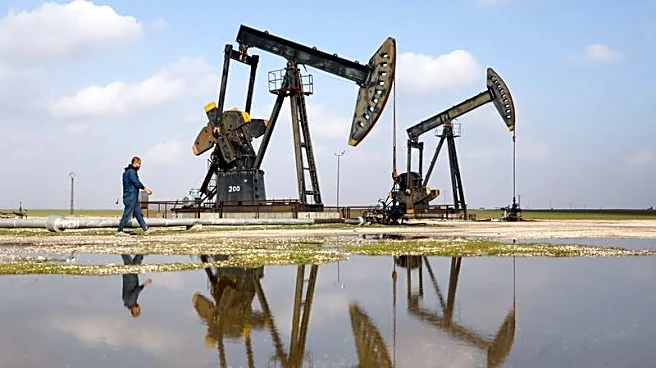
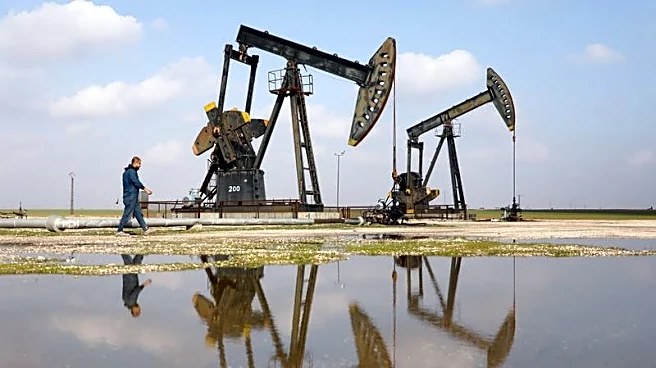
The ongoing Russia-Ukraine conflict has led to significant changes in global oil trade, with sanctions imposed by a coalition of over 40 countries, including the G7, reshaping the maritime shipping industry. The sanctions have created a 'shadow' shipping market,
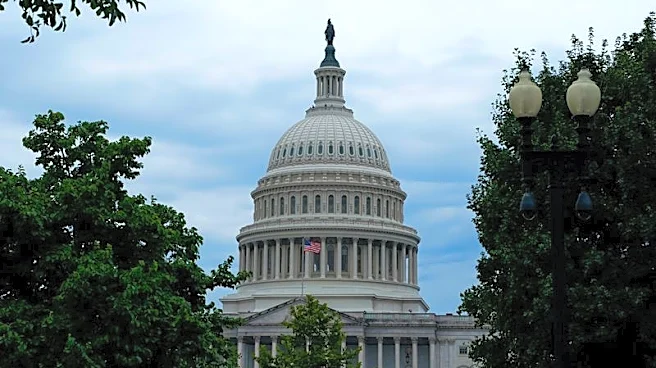
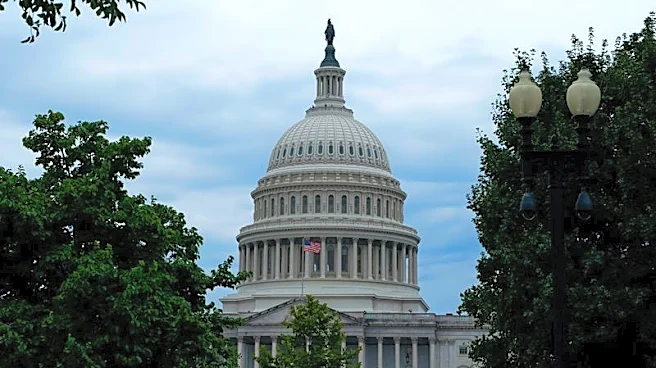
where unregulated vessels transport Russian oil to countries like China and India, bypassing Western sanctions. This parallel economy has grown rapidly, with an estimated 1,000 to 1,500 tankers now operating outside Western regulatory reach. The U.S. Senate is advancing a bill to impose tariffs on nations importing Russian oil, further complicating the geopolitical landscape.
Why It's Important?
The emergence of a shadow shipping market highlights the challenges of enforcing international sanctions and the adaptability of global trade networks. This development has significant implications for the global oil market, as it allows Russia to maintain its crude oil exports despite sanctions. The situation underscores the limitations of current sanctions and the need for more effective enforcement mechanisms. The growth of the shadow market also poses risks to maritime safety and environmental standards, as these unregulated vessels operate without oversight. The geopolitical tensions resulting from these sanctions could impact global trade relations and economic stability.
What's Next?
As the U.S. Senate considers additional sanctions and tariffs, the international community will need to address the challenges posed by the shadow shipping market. Enhanced cooperation among nations and stricter enforcement of existing sanctions may be necessary to curb the growth of this parallel economy. The situation also calls for a reevaluation of global trade policies and the development of new strategies to address the complexities of modern economic warfare. The outcome of the U.S. legislative efforts will be closely watched by international stakeholders, as it could set precedents for future sanctions and trade measures.