






What's Happening?
The phenomenon known as 'climateflation' is gaining attention as the El Niño weather pattern intensifies, potentially leading to significant economic disruptions. According to Gernot Wagner, a climate economist at Columbia Business School, El Niño could
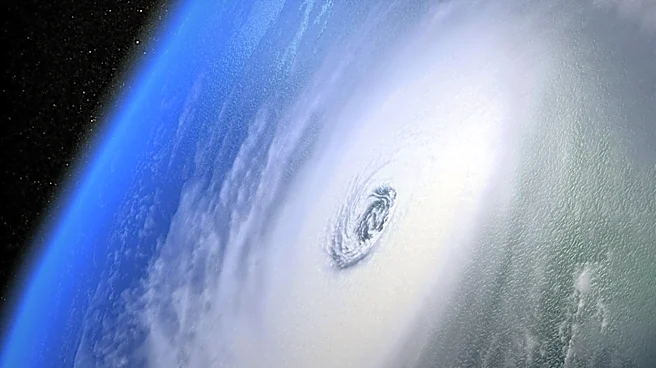
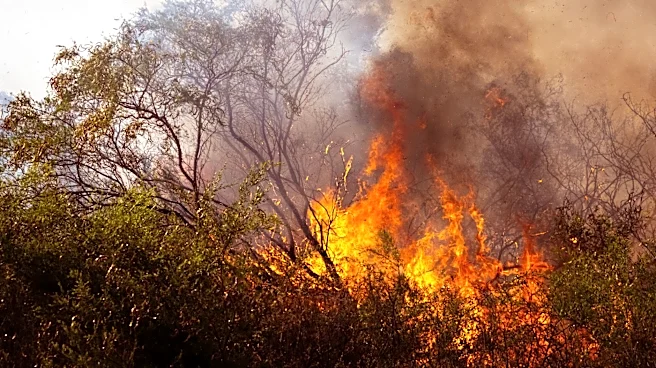
exacerbate inflationary pressures by causing spikes in food prices and affecting labor productivity. The weather event, which occurs every two to seven years, is expected to be one of the strongest in decades, with its impacts already being felt in emerging economies. These regions are particularly vulnerable due to their reliance on agriculture and the proportion of income spent on food. The United Nations' World Meteorological Organization has warned of extreme weather conditions, including droughts and heavy rainfall, which could further strain economic stability.
Why It's Important?
The potential economic impact of El Niño is significant, particularly for emerging markets that are already grappling with inflation. As food prices rise, central banks may be forced to maintain or increase interest rates, complicating efforts to stimulate economic growth. The interconnectedness of climate change and economic stability is becoming increasingly apparent, with climate-related events posing risks to global supply chains and financial markets. The situation underscores the need for adaptive measures and investment in climate resilience to mitigate these impacts. Policymakers and investors are closely monitoring the situation, as prolonged inflation could have far-reaching consequences for global economic stability.
What's Next?
As El Niño continues to develop, its full impact on global economies will become clearer. Central banks in affected regions may need to adjust monetary policies to address inflationary pressures. Additionally, governments and businesses may need to invest in infrastructure and technologies to enhance climate resilience. The situation also presents an opportunity for international cooperation in addressing the broader challenges posed by climate change. As the weather pattern unfolds, stakeholders will need to balance immediate economic concerns with long-term sustainability goals.
Beyond the Headlines
The concept of 'climateflation' highlights the broader implications of climate change on economic systems. As extreme weather events become more frequent, the traditional models of risk management and economic forecasting may need to be reevaluated. The growing correlation between climate events and economic outcomes suggests a need for integrated approaches that consider environmental, social, and economic factors. This shift could lead to new opportunities for innovation in areas such as sustainable agriculture, renewable energy, and climate finance.