


What's Happening?
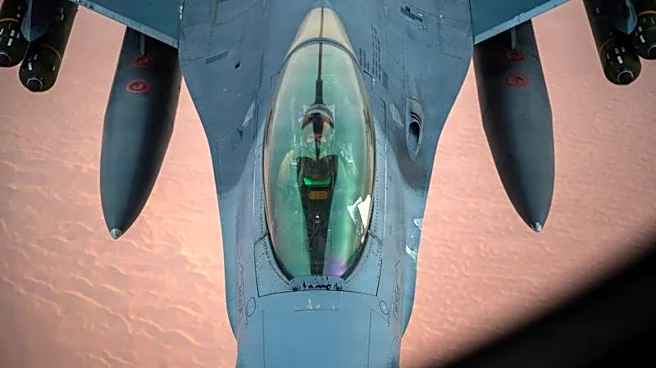
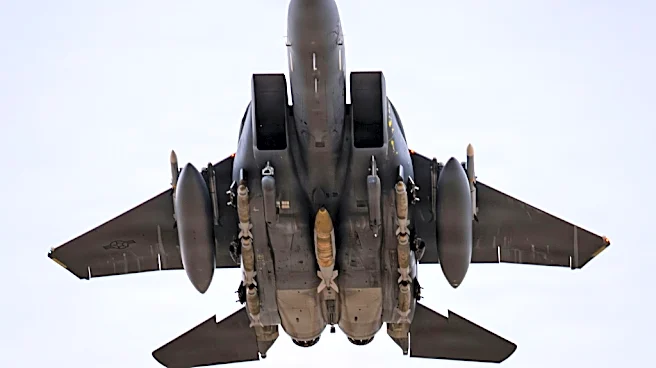
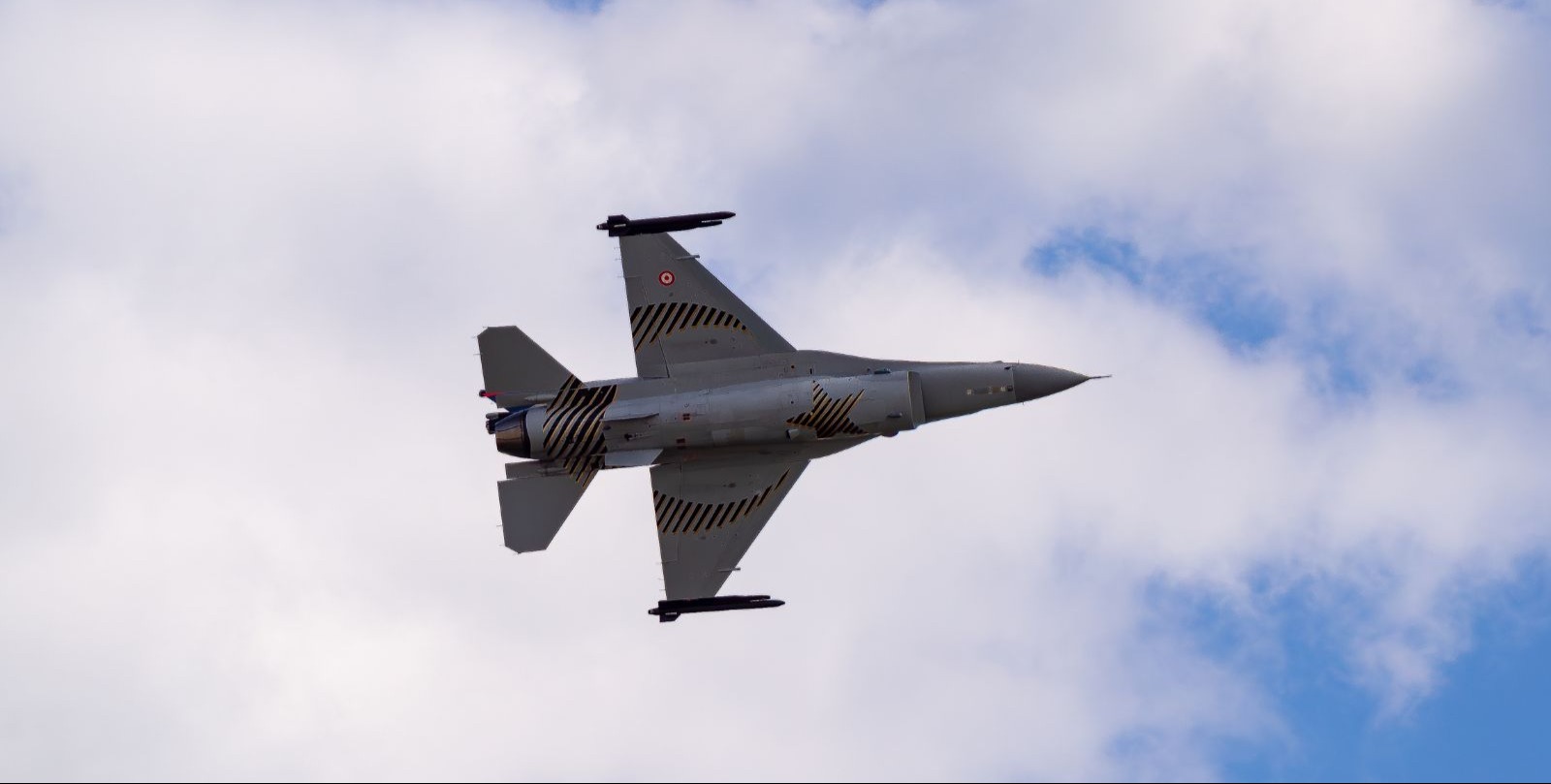
In a significant escalation of tensions, Iranian forces have shot down two U.S. military jets, an F-15E Strike Eagle and an A-10 Warthog, amid ongoing conflicts involving the U.S. and Israel in Iran. The incidents highlight the resilience of Iranian air
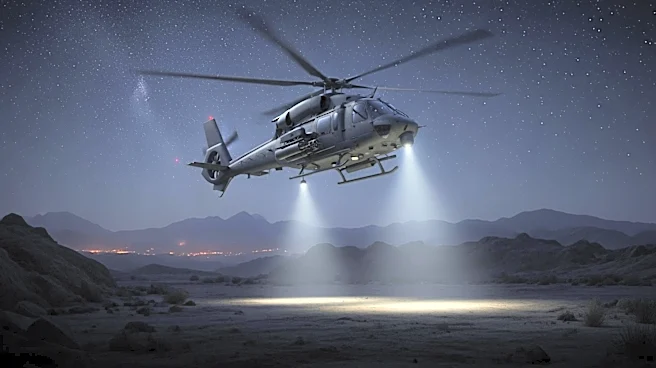
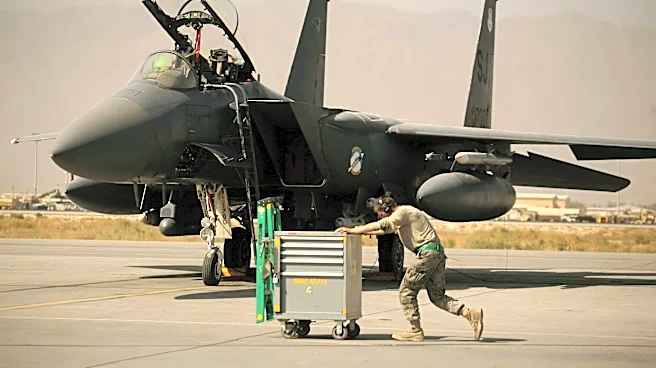
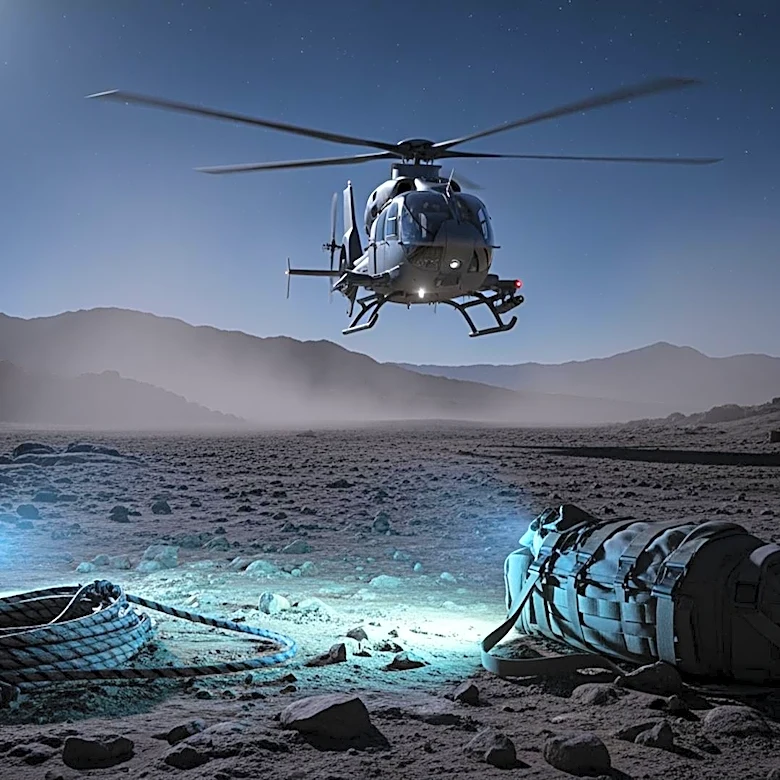
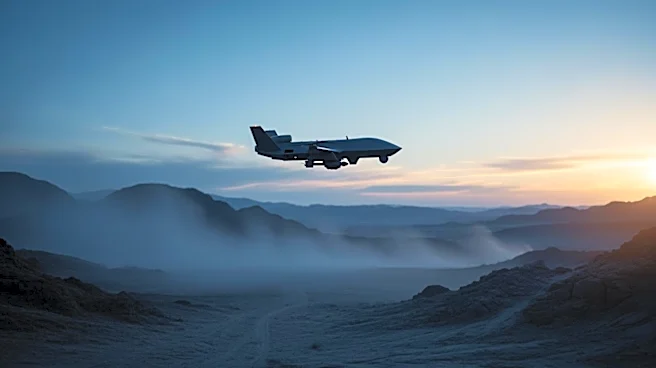
defenses, which the Trump administration had previously claimed were degraded. The F-15E, belonging to the 48th Fighter Wing of the U.S. Air Force in Europe, was downed with both crew members ejecting. One pilot was rescued after seven hours, despite the rescue helicopter being hit by small arms fire. The second airman, a weapons officer, evaded capture for over 24 hours, hiding in the mountainous region near Isfahan. U.S. forces, including MQ-9 Reaper drones, were deployed to protect the officer from approaching Iranian forces. The A-10 Warthog managed to reach Kuwaiti airspace before the pilot ejected and was subsequently rescued.
Why It's Important?
These incidents underscore the ongoing volatility in the region and the potential for further military escalation. The ability of Iranian forces to down U.S. aircraft challenges previous assessments of their defensive capabilities and could influence U.S. military strategy and diplomatic relations in the Middle East. The successful rescue of the downed airmen demonstrates the U.S. military's commitment to personnel recovery, but also highlights the risks involved in such operations. The situation may affect U.S. military deployments and strategies in the region, potentially leading to increased military presence or changes in engagement rules. Additionally, these events could impact U.S.-Iran relations and influence broader geopolitical dynamics involving other regional powers.
What's Next?
The U.S. military is likely to reassess its operational strategies and defensive measures in the region to prevent further losses. Diplomatic efforts may be intensified to address the underlying tensions and prevent further escalation. The incidents could prompt discussions within the U.S. government and among allies regarding military commitments and strategies in the Middle East. There may also be increased scrutiny of Iranian military capabilities and potential responses from international bodies. The situation remains fluid, with potential for further developments depending on the actions of both U.S. and Iranian forces.
Beyond the Headlines
The downing of U.S. jets by Iranian forces raises questions about the effectiveness of current U.S. military strategies and the accuracy of intelligence assessments regarding Iranian capabilities. It also highlights the complexities of modern warfare, where technological superiority does not always guarantee success. The incidents may lead to a reevaluation of U.S. military presence in the region and could influence future defense policies. Additionally, the events may impact public perception of U.S. military engagements abroad and influence political discourse on foreign policy.