







What's Happening?
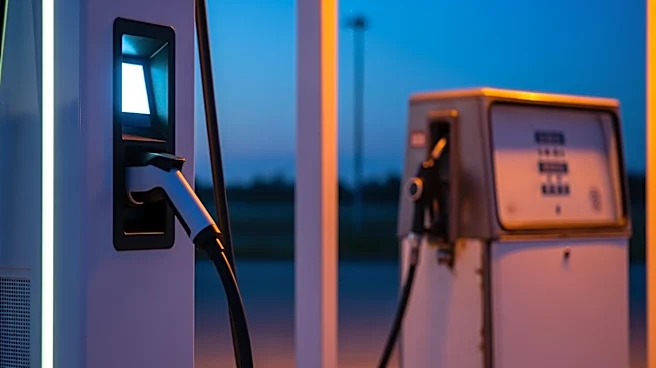
The transition from internal combustion engine vehicles to electric vehicles (EVs) is leading to a decline in the number of gas stations, particularly in regions like California. This shift is driven by the convenience of charging EVs at home or workplaces,
reducing the need for public refueling. Gas stations are not only becoming less necessary but also face challenges such as crime and health hazards associated with fuel handling. In California, grassroots activism has led to bans on new gas station constructions, with Petaluma being the first city to implement such a ban. This aligns with the state's goal to phase out gas-powered cars by 2035. The decline in gas stations is part of a broader trend observed in the UK, where the number of petrol stations has significantly decreased since the 1960s.
Why It's Important?
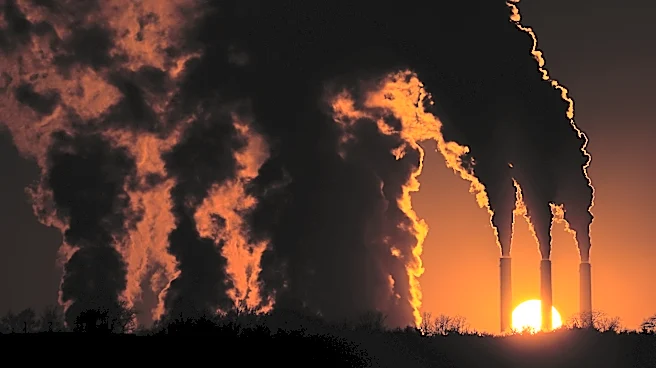
The decline of gas stations signifies a major shift in transportation infrastructure, reflecting the growing adoption of electric vehicles. This transition has significant implications for public health, as it reduces exposure to harmful fumes and pollutants associated with gasoline. It also impacts the economy, as the demand for traditional fuel decreases, potentially affecting jobs in the fossil fuel industry. However, it opens opportunities for growth in the renewable energy sector and the development of EV charging infrastructure. The movement towards banning new gas stations highlights a societal push towards sustainable energy solutions, which could lead to long-term environmental benefits and a reduction in carbon emissions.
What's Next?
As the trend towards electric vehicles continues, more cities and states may follow California's lead in banning new gas stations. This could accelerate the development of EV charging networks and increase investment in renewable energy sources. Policymakers and businesses will need to address the economic and employment impacts of this transition, potentially retraining workers from the fossil fuel industry for roles in the renewable energy sector. Additionally, there may be increased regulatory focus on reducing the environmental and health impacts of existing gas stations.
Beyond the Headlines
The decline of gas stations also raises questions about land use and urban planning. As gas stations close, the land they occupy could be repurposed for other uses, such as green spaces or community facilities. This transition may also influence cultural perceptions of transportation, as society moves away from fossil fuel dependency. The shift could lead to a reevaluation of personal mobility and the role of public transportation in reducing carbon footprints.