







What's Happening?
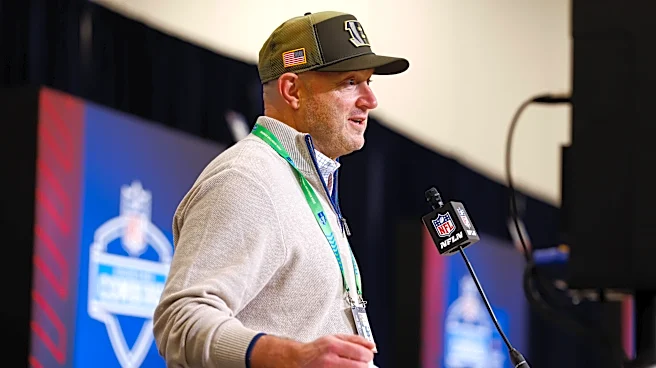
Four federal agencies have launched a collaborative initiative aimed at enhancing youth sports and wellbeing, particularly targeting young people living in public housing. The U.S. Housing and Urban Development Secretary, Scott Turner, who has a background
in the NFL, signed a memorandum of understanding with officials from the education, labor, and health and human services departments. This initiative, announced at the Indianapolis Colts practice facility, seeks to connect sports with academic success, health, and job opportunities. The program aims to implement youth sports programming that advances life skills, financial literacy, educational engagement, and career preparation. Although specific areas and goals have not been detailed, the initiative emphasizes the importance of providing tools for a healthy lifestyle and success.
Why It's Important?
This initiative is significant as it addresses the intersection of sports, education, and economic opportunity for underserved youth. By focusing on public housing communities, the program aims to bridge gaps in access to sports and related benefits, potentially leading to improved health outcomes and increased educational and career opportunities. The emphasis on life skills and financial literacy is crucial for empowering young people to navigate future challenges. The initiative also highlights the role of sports in fostering teamwork, discipline, and time management, which are valuable skills beyond the playing field. This effort could serve as a model for similar programs nationwide, promoting holistic development for youth in disadvantaged areas.
What's Next?
The next steps involve identifying specific areas and programs to implement the initiative effectively. Success will be measured by the number of participants and the impact on their lives. The program will leverage existing federal systems and local collaborations without requiring additional financial commitments from partner agencies. Stakeholders, including local governments and private organizations, may play a role in supporting and expanding the initiative. Monitoring and evaluation will be essential to ensure the program meets its objectives and adapts to the needs of the communities it serves.