







What's Happening?
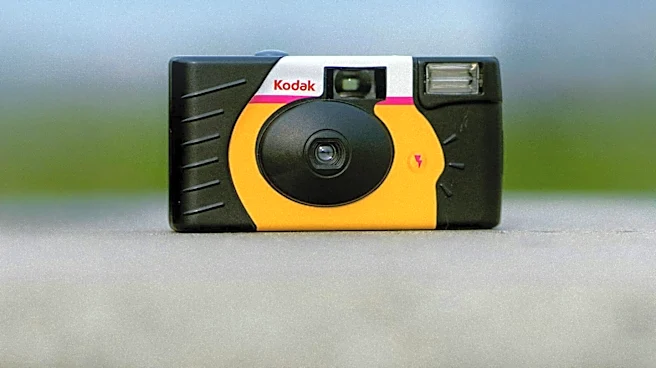
In 1945, Eastman Kodak's X-ray film began fogging, leading physicist Julian H. Webb to investigate. He traced the contamination to strawboard packaging made on August 6, 1945, at a mill on the Wabash River in Indiana. The radiation signature, specifically
cerium-141, indicated fission products, which are not naturally occurring. Webb concluded that the contamination originated from wind-borne radioactive fission products from the atomic bomb detonation in New Mexico on July 16, 1945, approximately 1,000 miles away. This discovery revealed that the debris from the Trinity test had spread far enough to contaminate industrial supply chains and commercial products. Kodak's internal monitoring continued, and in 1951, after a test at the Nevada Test Site, snow in Rochester, New York, showed radiation levels 25 times higher than normal. This prompted Kodak to reach an agreement with the Atomic Energy Commission (AEC) for advance information on future tests and expected radioactive material distribution to protect its film inventory.
Why It's Important?
This event highlights the widespread and unexpected impact of early atomic bomb testing on civilian industries and the environment. Kodak's experience demonstrated that radioactive fallout could travel significant distances and affect commercial products, revealing a previously unacknowledged consequence of nuclear detonations. The subsequent agreement between Kodak and the AEC underscores the government's awareness of fallout risks to industry, contrasting sharply with the lack of public warnings. This disparity became a point of contention, particularly in 1997, when a Senate Appropriations subcommittee discussed the long-term health effects of fallout, especially on children who consumed contaminated milk. Senator Tom Harkin questioned why the government protected film but not the public, emphasizing a perceived double standard in risk communication and protection during the early atomic age. The incident also illustrates the sensitivity of photographic film as a radiation detector, a property later utilized in personal dosimeters for radiation workers.
What's Next?
The historical context of this event continues to inform discussions about government transparency, public health, and the long-term consequences of nuclear activities. While direct fallout from past tests is no longer a primary concern for current industrial supply chains in the U.S., the principles of radiation detection and environmental monitoring remain crucial. The legacy of the AEC's actions, particularly the selective dissemination of information, continues to be a subject of historical analysis and public policy debate regarding accountability and ethical responsibilities in managing technological risks. Modern regulations and international agreements on nuclear testing and waste management aim to prevent similar widespread, unannounced contamination, reflecting lessons learned from incidents like Kodak's discovery.
Beyond the Headlines
The Kodak incident reveals a deeper ethical dilemma concerning the prioritization of commercial interests over public health during a critical period of national security development. The government's decision to inform the photographic industry to protect its products, while withholding similar warnings from the general public, particularly dairy farmers whose products were directly consumed, raises profound questions about governmental responsibility and the value placed on different sectors of society. This historical precedent contributes to ongoing debates about trust in government institutions and the need for comprehensive, equitable public safety measures in the face of emerging technologies. It also underscores the often-unforeseen ripple effects of scientific and military advancements, demonstrating how seemingly isolated events can have far-reaching and long-lasting societal and environmental implications.