







What's Happening?
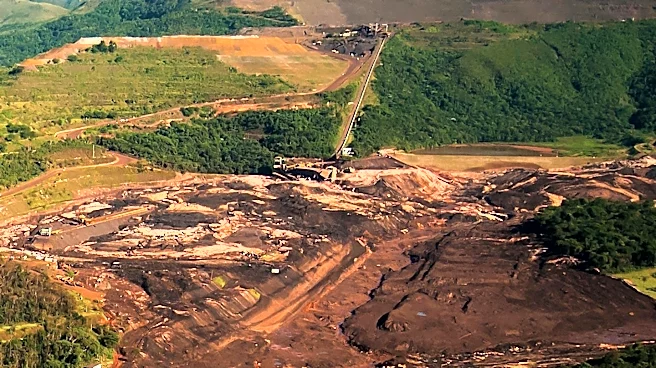
Peru's Environmental Assessment and Enforcement Agency (OEFA) has identified 58 mining units with tailings facilities across 14 regions that are at risk from the ongoing El Niño phenomenon. The regulator warns that intense rainfall, projected to continue
at an extraordinary magnitude until February 2027, could compromise the stability of containment structures. This includes potential overflowing of storage facilities and changes in geotechnical conditions. Furthermore, heavy rainfall poses a risk of metals from tailings contaminating surface water, groundwater, and soil, which could adversely affect aquatic ecosystems and water sources vital for human consumption and agriculture. The identified regions include La Libertad, Cajamarca, Áncash, Lima, Huánuco, Pasco, Junín, Huancavelica, Ica, Ayacucho, Apurímac, Puno, Arequipa, and Moquegua. OEFA has requested contingency plans and mitigation measures from the operators of these mining units and plans to conduct inspections of critical infrastructure and monitor facilities.
Why It's Important?
The potential environmental damage from mining tailings, particularly in a country heavily reliant on its mining sector like Peru, carries significant implications. Contamination of water sources could lead to public health crises, impact agricultural productivity, and cause long-term ecological harm. For the U.S., which imports various minerals and metals, disruptions in Peru's mining operations due to environmental incidents could affect supply chains and commodity prices. The need for robust environmental regulations and enforcement, especially in the face of climate-related events like El Niño, is underscored by this situation. The economic stability of Peru, a key trading partner, could also be affected by widespread mining disruptions, potentially influencing regional stability and U.S. foreign policy interests in Latin America. The situation highlights the global interconnectedness of environmental risks and economic stability.
What's Next?
OEFA will continue to monitor the situation closely, with inspections of critical infrastructure and reviews of tailings inspection reports planned. Mining operators are expected to submit and implement their contingency plans to prevent or mitigate the identified risks. The Peruvian government, which is actively seeking foreign investment in its mining industry, will likely face increased scrutiny regarding its environmental oversight and disaster preparedness. The ongoing El Niño Coastal alert, projected to last until February 2027, means that the risks of heavy rainfall and potential environmental incidents will persist for several months. The long-term implications could include stricter environmental regulations for mining projects in Peru and potentially other regions susceptible to similar climate phenomena, influencing future investment decisions in the sector.
Beyond the Headlines
This situation highlights the broader challenge of balancing economic development, particularly in resource-rich nations, with environmental protection in an era of increasing climate volatility. The vulnerability of critical infrastructure, such as mining tailings facilities, to extreme weather events raises questions about the long-term sustainability of current mining practices. It also underscores the ethical responsibility of corporations and governments to ensure that economic activities do not disproportionately harm local communities and ecosystems. The incident could serve as a case study for international discussions on climate resilience in industrial sectors and the need for proactive measures to prevent environmental catastrophes, rather than merely reacting to them. The potential for cross-border environmental impacts also emphasizes the need for international cooperation in addressing such challenges.