









What's Happening?
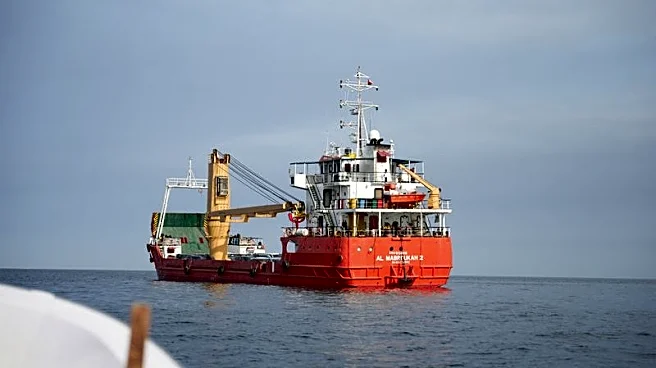
Iran is contemplating a temporary halt to its oil shipments through the Strait of Hormuz as a strategic move to avoid escalating tensions with the U.S. naval blockade. This decision comes ahead of scheduled ceasefire talks, with Tehran aiming to prevent
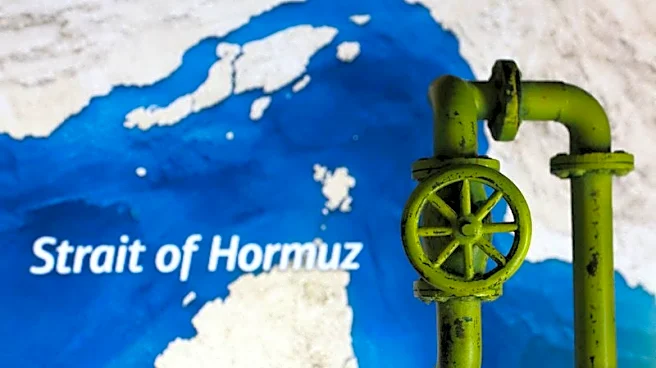
any maritime incidents that could jeopardize negotiations. The Strait of Hormuz is a critical chokepoint for global oil shipments, and Iran has been one of the few countries continuing to transport crude through the area amidst the conflict. The U.S. has tightened its naval enforcement, leading to a significant reduction in non-Iranian shipping activities. The potential pause in Iranian oil shipments could further tighten the already constrained physical oil market, although futures markets have not yet reacted strongly to this possibility.
Why It's Important?
The Strait of Hormuz is a vital artery for global oil supply, and any disruption in shipments can have significant implications for global energy markets. A halt in Iranian oil exports could exacerbate the current tightness in the physical oil market, potentially leading to increased oil prices. This situation underscores the geopolitical tensions in the region and highlights the strategic importance of the Strait of Hormuz. The outcome of the ceasefire talks and Iran's decision on oil shipments could influence global oil supply dynamics and impact energy security for countries reliant on Middle Eastern oil.
What's Next?
The upcoming ceasefire talks will be crucial in determining the future of oil shipments through the Strait of Hormuz. If Iran decides to proceed with the halt, it could lead to a further tightening of the oil market and potentially increase geopolitical tensions. The international community, particularly countries dependent on Middle Eastern oil, will be closely monitoring the situation. The U.S. and its allies may need to consider diplomatic or strategic responses to ensure the security of oil shipments through the strait.