







What's Happening?
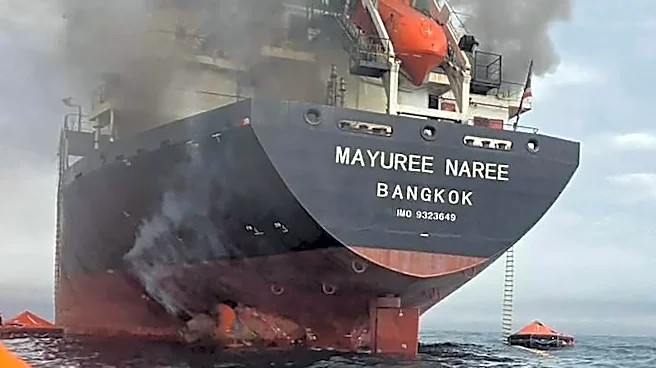
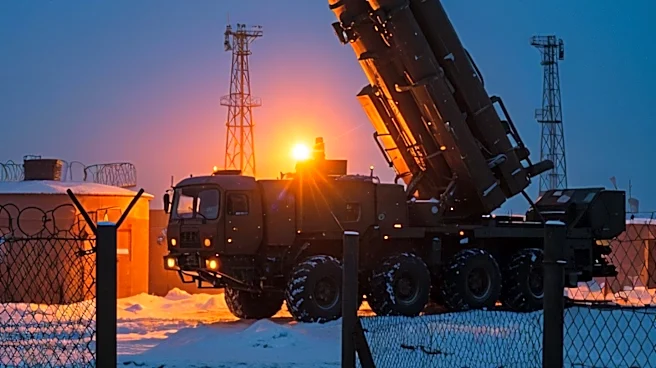
U.S. forces conducted airstrikes on Iranian rocket launchers located on Larak Island on Sunday. This action was taken as the Islamic Revolutionary Guard Corps (IRGC) was reportedly preparing to deploy sea mines into the Strait of Hormuz. This strike marks
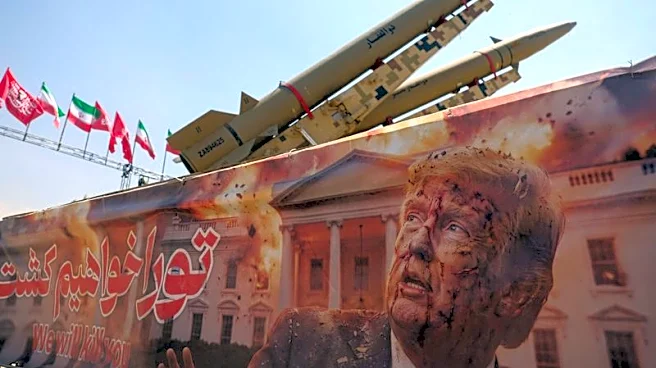
the first publicly acknowledged U.S. attack in approximately a month, signaling a renewed escalation in hostilities between the two nations. In response, Iran reportedly fired eight missiles at the King Hussein and Al Azraq air bases in Jordan, though Jordanian air defenses intercepted all of them without casualties. Additionally, Iran claimed to have targeted U.S. military personnel at an airbase in the United Arab Emirates. President Trump later posted on social media, claiming Iran's energy hub of Kharg Island was being 'blown to smithereens,' a claim dismissed by the National Iranian Oil Company. These events highlight a shift in the U.S. approach, with analysts suggesting a growing impatience with the slower pace of economic sanctions.
Why It's Important?
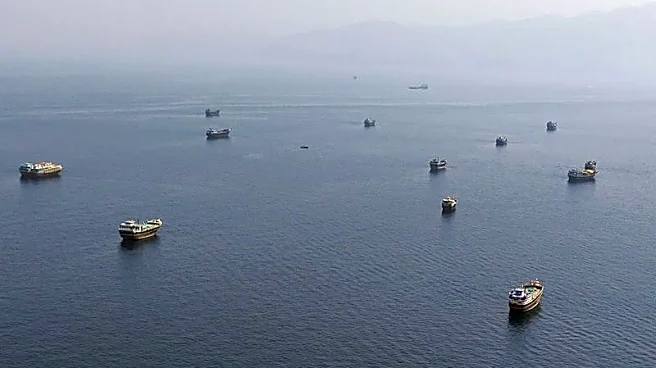
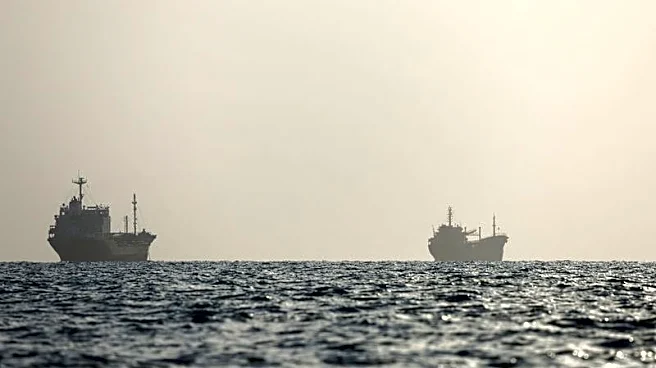
The recent U.S. military action in the Strait of Hormuz and Iran's retaliatory strikes signify a dangerous escalation in the ongoing conflict, with significant implications for regional stability and global energy markets. The Strait of Hormuz is a critical chokepoint for international oil shipments, and any disruption there can lead to substantial increases in oil prices and economic instability worldwide. The U.S. Treasury Secretary Scott Bessent has indicated an intent to intensify economic pressure on Iran, including weekly sanctions targeting banks and efforts to cut Tehran-linked institutions out of the dollar system. This aggressive economic strategy, coupled with military strikes, aims to curtail Iran's behavior but risks further destabilizing an already volatile region. The situation also underscores the challenges of asymmetric warfare, where Iran's potential to inflict harm through proxies and disruptions to shipping remains a significant concern, even against a militarily superior adversary.
What's Next?
The U.S. is expected to continue its strategy of increased economic pressure and targeted military actions against Iran. Treasury Secretary Scott Bessent will host G20 counterparts this week, aiming to rally international support for isolating Iran economically. New sanctions, particularly targeting Iranian banks, are anticipated weekly, with the goal of severing Iran's access to the dollar system. However, the effectiveness of these measures and the potential for Chinese retaliation remain key uncertainties, especially given China's role as Iran's largest trading partner. Iran, despite its economic woes, has shown defiance and is likely to continue its efforts to disrupt shipping in the Strait of Hormuz and potentially retaliate through proxies. International mediators will likely persist in their efforts to revive talks between the U.S. and Iran, though a breakthrough appears distant given the current escalation and deep-seated disagreements.
Beyond the Headlines
The escalating conflict between the U.S. and Iran carries profound implications beyond immediate military and economic concerns. The U.S. strikes and Iran's responses risk a broader regional conflict, potentially drawing in other nations and further destabilizing the Middle East. The economic hardship faced by ordinary Iranians, with soaring inflation and job losses, could lead to increased internal unrest, which might either strengthen or weaken the current regime depending on how it's managed. The U.S. strategy of combining military pressure with economic sanctions, while aiming to force a change in Iranian behavior, also raises ethical questions about the impact on civilian populations and the potential for unintended consequences. The long-term shifts in global energy security, international alliances, and the future of diplomatic engagement with Iran will be shaped by how this delicate and dangerous situation evolves.