








What's Happening?
Tulsa voters will soon decide whether to approve an increase in the city's hotel guest tax, raising it from 5% to 9.9%. This proposed increase, the first in over 40 years, aims to generate funds for significant improvements at key city venues, including
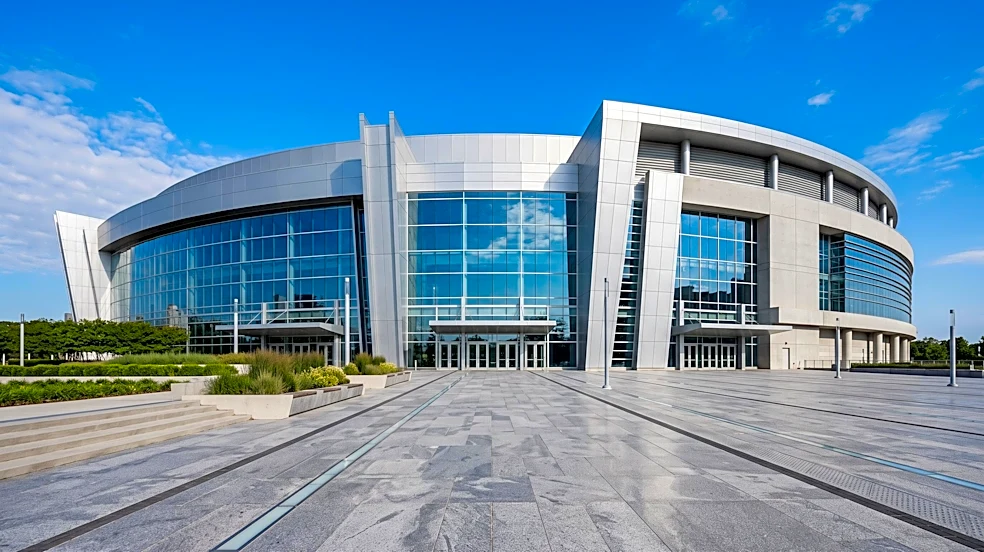
the BOK Center, Arvest Convention Center, and Tulsa Performing Arts Center. Former Mayor Kathy Taylor, who chairs the Tulsa Public Facilities Authority, emphasized the need for substantial investment to modernize these facilities, which have not seen major renovations since the BOK Center opened in 2008. Proposed priority projects include a new roof, scoreboard, seats, restrooms, suites, and acoustic panels for the BOK Center. If approved, revenue bonds could be issued next year, with construction potentially starting a year later. The tax is paid by visitors staying in hotels and other short-term lodgings, with supporters arguing it places the financial burden on tourists rather than local residents.
Why It's Important?
This ballot measure is critical for Tulsa's competitiveness as a destination for events and tourism. With other cities, such as Oklahoma City, investing heavily in new arenas and facilities, Tulsa risks falling behind if its venues are not modernized. The proposed tax increase would provide a dedicated funding source for these upgrades, ensuring the city can continue to attract major concerts, conventions, and sporting events. This, in turn, supports local businesses, creates jobs, and generates economic activity. The argument that the tax primarily affects visitors is a key component of its appeal, aiming to improve city assets without directly taxing residents. However, the potential for higher hotel costs could also influence tourism decisions, and some residents have raised concerns about whether the tax might indirectly lead to higher ticket prices for events, although venue operators state ticket prices are set by artists and promoters.
What's Next?
Tulsa voters will cast their ballots on the proposed hotel tax increase. If the measure passes, the Tulsa Public Facilities Authority, in conjunction with Oak View Group, the venues' operator, will proceed with issuing revenue bonds, potentially next year. This would pave the way for construction to begin on the planned upgrades approximately a year after the bonds are issued. The specific timeline for each renovation project at the BOK Center, Arvest Convention Center, and Tulsa Performing Arts Center would then be finalized. If the measure fails, the city will need to explore alternative funding mechanisms for these critical venue improvements, which could include seeking state or federal grants, reallocating existing city funds, or delaying necessary renovations, potentially impacting Tulsa's ability to attract major events in the future.
Beyond the Headlines
The decision on Tulsa's hotel tax reflects a broader national trend where cities are increasingly relying on tourism-related taxes to fund public infrastructure and cultural amenities. This approach often aims to externalize costs to non-residents, but it also highlights the delicate balance between attracting visitors and maintaining affordability. The competition among cities to host major events underscores the economic importance of modern, well-maintained venues. Beyond the immediate financial implications, the upgrades could enhance Tulsa's cultural landscape, providing residents with improved access to entertainment and arts. However, the debate also touches on issues of equity and transparency in public funding, as voters weigh the benefits of enhanced facilities against potential indirect costs or the perception of increased taxation, even if primarily borne by visitors. The outcome will serve as a barometer of the community's priorities regarding urban development and cultural investment.