

What's Happening?
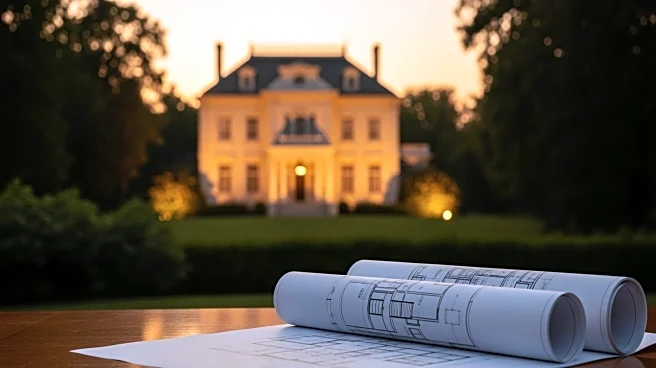
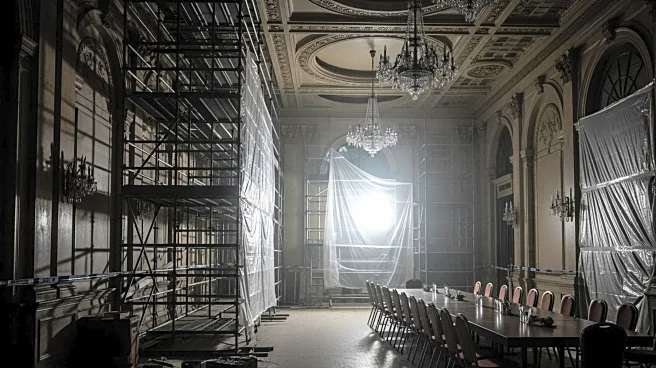
The Westchester Public Library has unveiled plans to restore the historic Brown Mansion and construct a new barn-like structure to house a history museum. The proposal was presented to the Chesterton Board of Zoning Appeals (BZA), which responded positively.
The Brown Mansion, built in 1885 and listed on the National Register of Historic Places, has been used by the Westchester Township History Museum. The library, which took full ownership in 2024, plans to restore the mansion and relocate the museum to a new 4,568-square-foot building. The project is estimated to cost $5 million. However, the library must secure several variances from the town's zoning code, including allowances for the height of a new porch spire and the construction of a second building on the property. A public hearing is scheduled for March 26, where a final decision is expected.
Why It's Important?
The restoration and expansion project is significant for preserving local history and enhancing cultural infrastructure in Chesterton. By restoring the Brown Mansion and expanding the museum, the Westchester Public Library aims to create a more comprehensive historical resource for the community. This project could boost local tourism and provide educational opportunities, benefiting the local economy and community engagement. The positive response from the BZA indicates community support, which is crucial for the project's success. The variances required highlight the challenges of balancing historical preservation with modern development needs.
What's Next?
The next step involves a public hearing on March 26, where the BZA will make a final decision on the necessary variances. If approved, the library can proceed with the restoration and construction plans. The project will likely involve further community engagement and fundraising efforts to meet the $5 million budget. The library will also need to coordinate with local authorities to ensure compliance with zoning and building regulations. Successful completion of the project could serve as a model for similar historical preservation efforts in other communities.