


What's Happening?
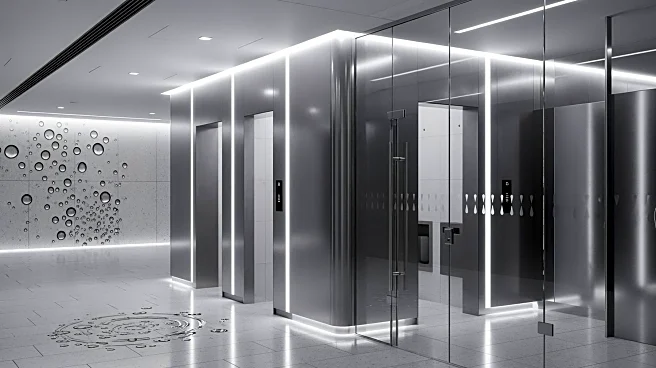
Belo Horizonte, Brazil, is expanding its network of self-cleaning public restrooms to improve urban hygiene and infrastructure. The city recently inaugurated its fifth self-cleaning restroom module, located at Rua Rio de Janeiro, 700. These restrooms operate
from 6 a.m. to 10 p.m., with a 22-minute limit per user, and feature sensor-activated cleaning systems. The municipal project aims to install 19 units by 2026, targeting high-traffic areas to provide reliable sanitation facilities. The initiative is part of a broader effort to modernize public infrastructure and address the growing demand for efficient sanitation solutions in urban centers.
Why It's Important?
The introduction of self-cleaning restrooms in Belo Horizonte represents a significant advancement in public sanitation infrastructure. By providing automated, hygienic facilities, the city addresses the needs of pedestrians, vendors, and commuters who rely on public restrooms during their daily activities. This initiative not only enhances public health and safety but also contributes to urban dignity by reducing reliance on substandard sanitation options. The project reflects a commitment to modernizing urban infrastructure and improving the quality of life for residents and visitors. It also sets a precedent for other cities seeking to implement innovative sanitation solutions.
What's Next?
Belo Horizonte plans to continue expanding its network of self-cleaning restrooms, with 14 additional units scheduled for installation by 2026. The city aims to strategically position these facilities in key areas, including commercial centers and tourist regions, to maximize accessibility and impact. The ongoing expansion will require continued investment and collaboration with stakeholders to ensure successful implementation. As the project progresses, other municipalities may look to Belo Horizonte as a model for improving urban sanitation infrastructure, potentially leading to wider adoption of similar technologies in other regions.