



What's Happening?
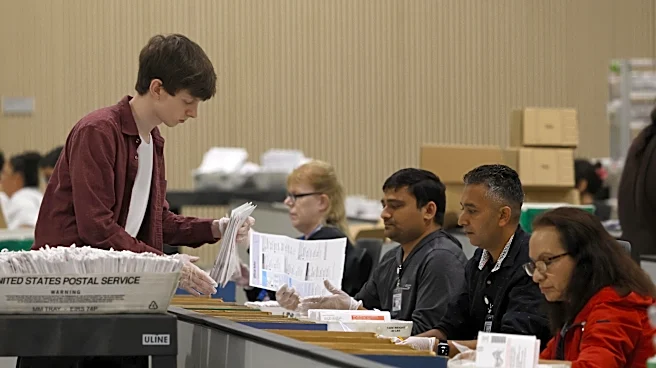
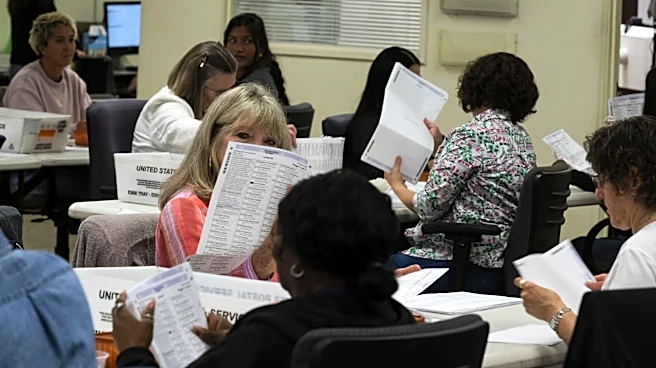
Governor Tony Evers of Wisconsin has publicly thanked the state's local clerks, election administrators, poll workers, voter education groups, and postal service workers for their contributions to the Nov. 3 general election. In his weekly radio address,
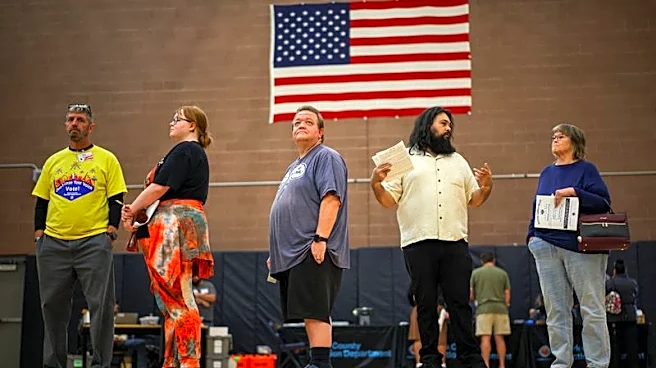
Governor Evers acknowledged their collective efforts in administering the election and ensuring that voters could successfully cast their ballots. He emphasized that the integrity of Wisconsin's elections—being fair, safe, and secure—is a direct result of their dedication. The Governor highlighted that these workers play a crucial role in promoting voter participation, safeguarding ballot access, and ensuring the accurate counting of eligible votes. He also recognized the significant challenges election administrators have faced in recent years, commending their courage, resilience, and commitment to the democratic process. Governor Evers declared 2026 as the 'Year of the Neighbor' in Wisconsin, framing election workers as community members who volunteer their time to uphold democracy. He concluded by encouraging all Wisconsin residents to express their gratitude to those who facilitate elections in their local communities.
Why It's Important?
This public acknowledgment from Governor Evers underscores the critical role that election workers play in the functioning of democratic processes, particularly in a period marked by increased scrutiny and challenges to election administration. Their efforts are fundamental to maintaining public trust in election outcomes and ensuring the accessibility and security of voting. By highlighting their dedication, Governor Evers reinforces the importance of civic engagement and volunteerism in supporting foundational democratic institutions. The recognition also serves to counter narratives that may undermine the legitimacy of election results by emphasizing the diligent, non-partisan work performed by thousands of individuals. Furthermore, framing these workers as 'neighbors' humanizes the election process, connecting it directly to community values and local participation, which can help foster a more positive perception of electoral integrity among the populace. This message is particularly significant in states like Wisconsin, which have experienced close elections and heightened political polarization.
What's Next?
Following Governor Evers' commendation, there may be an increased focus on supporting election workers and potentially recruiting more volunteers for future elections. The emphasis on their resilience and dedication could lead to discussions about further resources, training, or protections for these essential personnel. Local communities might organize their own initiatives to recognize election workers, building on the Governor's call for residents to express their thanks. Politically, this message could also serve to reinforce the administration's commitment to secure and fair elections, potentially influencing public discourse around electoral reforms or funding for election administration. As the state moves towards future election cycles, the groundwork laid by this appreciation could foster a more robust and supported election workforce, crucial for the continued smooth operation of Wisconsin's democratic system. The 'Year of the Neighbor' declaration for 2026 suggests a sustained effort to promote community involvement in civic duties.
Beyond the Headlines
Beyond the immediate recognition, Governor Evers' message touches upon deeper societal implications regarding civic duty and the health of democratic institutions. In an era where election processes are often politicized, highlighting the non-partisan, community-based efforts of election workers can help depoliticize the administrative aspects of voting. It reinforces the idea that elections are managed by ordinary citizens committed to their communities, rather than solely by political entities. This narrative can contribute to rebuilding trust in democratic systems by showcasing the human element and local commitment involved. Furthermore, by acknowledging the 'courage, resilience, and dedication' required, the Governor implicitly addresses the pressures and criticisms election workers have faced, validating their experiences and potentially encouraging more individuals to step forward for these vital roles. This fosters a culture of appreciation for civic service, which is essential for the long-term stability and functionality of democratic governance.