





What's Happening?
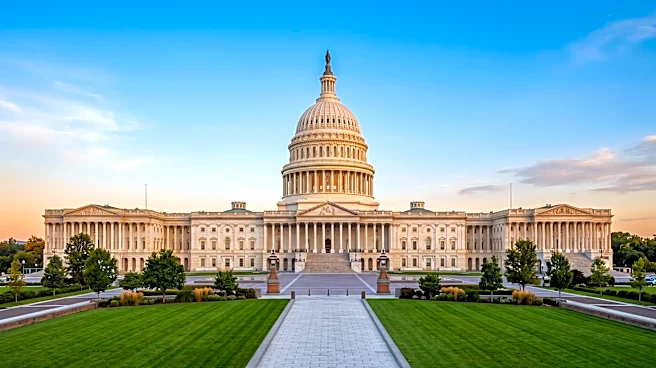
The Senate Select Committee on Intelligence is scheduled to hold a closed briefing on certain intelligence matters on September 23. This session, titled 'To Receive A Closed Briefing On Certain Intelligence Matters,' will focus on classified information
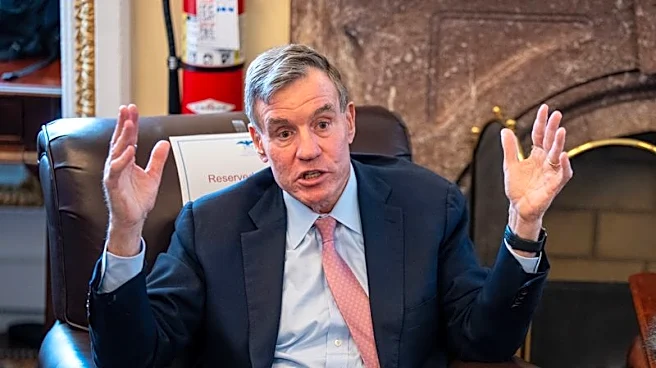
rather than legislative proposals. Senator Tom Cotton (R-AR) serves as the chairman of this committee, with Senator Mark Warner (D-VA) as the vice chairman. The committee's September calendar also includes other closed briefings on intelligence matters held on September 15 and September 16. Due to the classified nature of the briefing, public details regarding the specific intelligence matters to be discussed are not available. Lobbying records indicate that Flashpoint Intelligence has retained Pillsbury Winthrop Shaw Pittman LLP to lobby on cybersecurity and intelligence matters, with the firm continuing to report lobbying activity for Flashpoint Intelligence during the first half of the year.
Why It's Important?
Closed intelligence briefings are crucial for national security, allowing senators to receive highly sensitive information that cannot be disclosed publicly due to its classified nature. The Senate Intelligence Committee plays a vital role in overseeing the U.S. intelligence community, ensuring accountability and effectiveness in intelligence gathering and analysis. The chairman, Senator Tom Cotton, and vice chairman, Senator Mark Warner, lead efforts to address complex national security challenges, including cybersecurity and foreign influence. These briefings are essential for informing legislative decisions related to defense, foreign policy, and intelligence operations, directly impacting the safety and security of the U.S. The involvement of lobbying firms like Pillsbury Winthrop Shaw Pittman LLP on behalf of intelligence-related companies highlights the intersection of private sector expertise and government intelligence needs.
What's Next?
Following the closed briefing, the Senate Intelligence Committee will likely use the classified information received to inform its oversight responsibilities and potentially guide future legislative actions related to national security. While the specific outcomes of such briefings are not publicly disclosed, they often lead to internal policy adjustments, recommendations to other government agencies, or the initiation of new legislative efforts. The committee will continue its regular schedule of intelligence briefings, ensuring that senators are kept abreast of evolving threats and intelligence developments. The ongoing lobbying efforts by companies like Flashpoint Intelligence suggest a continued private sector interest in contributing to and influencing cybersecurity and intelligence policies, which may lead to further collaborations or legislative considerations in these areas.
Beyond the Headlines
The practice of closed intelligence briefings underscores the inherent tension between government transparency and national security imperatives. While the public has a right to be informed, certain intelligence matters require strict confidentiality to protect sources, methods, and ongoing operations. This balance is critical for maintaining the effectiveness of intelligence agencies and safeguarding national interests. The role of the Senate Intelligence Committee extends beyond mere oversight; it also involves shaping the strategic direction of the intelligence community and ensuring that it operates within legal and ethical boundaries. The increasing involvement of private cybersecurity firms in lobbying efforts reflects the growing complexity of modern intelligence challenges, where technological advancements and private sector innovation play an increasingly significant role in national security. This dynamic highlights the evolving nature of intelligence gathering and the need for continuous adaptation in policy and practice.