





What's Happening?
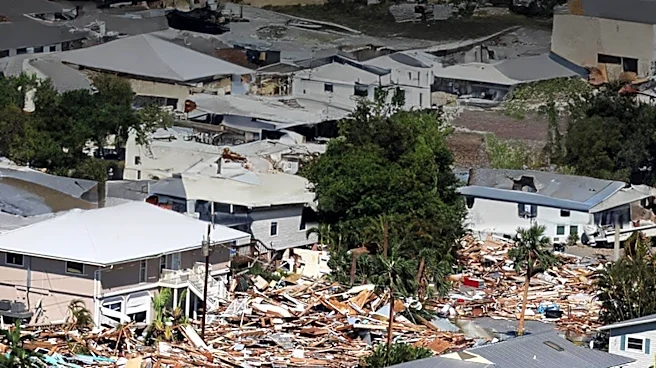
The Federal Emergency Management Agency (FEMA) is actively seeking industry input on cloud-based software and services to manage, maintain, and modernize its supply chain management system (SCMS). This system is crucial for supporting the agency's disaster
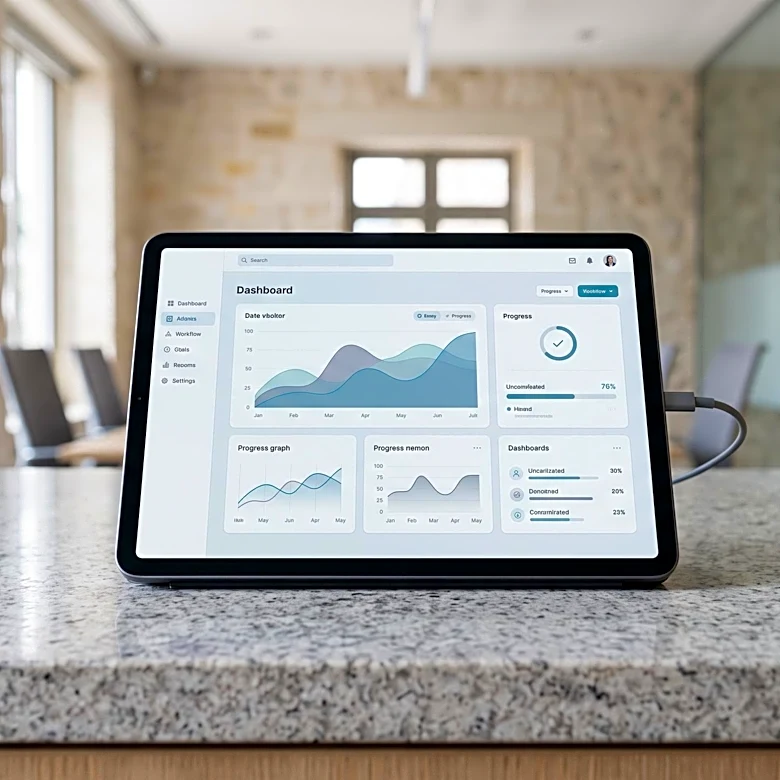
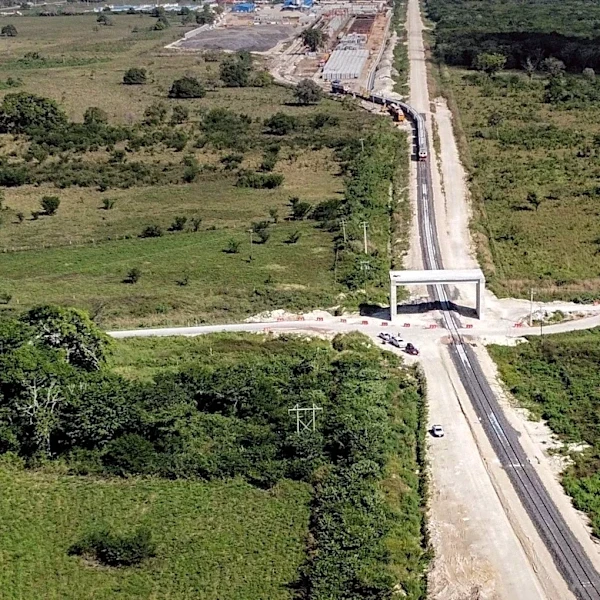
response and recovery operations. The SCMS currently tracks inventory at seven FEMA distribution centers, three annex warehouses, and the Disaster Information Systems Clearinghouse warehouse, providing near-real-time visibility into shipment locations and order statuses. Its functions encompass purchasing, order fulfillment, transportation, and delivery acceptance. FEMA's request for information (RFI), published on SAM.gov, aims to assess commercially available Software-as-a-Service (SaaS) capabilities for continued operations, including logistics management, shipment tracking, and inventory oversight. Responses to the RFI are due by January 4, 2027. The agency is also considering a potential expansion to 1,000 concurrent users, evaluating associated licensing expenses, system architecture, and performance implications. This initiative aligns with Section 636 of the Post-Katrina Emergency Management Reform Act of 2006, which mandates a logistics system with real-time visibility across the supply chain.
Why It's Important?
The modernization of FEMA's supply chain management system is critical for enhancing the efficiency and effectiveness of disaster response and recovery efforts across the U.S. A robust, cloud-based system can significantly improve the agency's ability to track and distribute essential supplies during emergencies, directly impacting the speed and scale of aid reaching affected communities. This move towards cloud technology is expected to provide greater scalability, resilience, and real-time data access, which are vital when responding to large-scale disasters. Improved logistics can reduce delays in delivering critical resources like food, water, and medical supplies, potentially saving lives and mitigating economic losses. Furthermore, the potential expansion to 1,000 concurrent users indicates a forward-looking approach to accommodate increased demand during widespread crises, ensuring that more personnel can access and manage the system simultaneously. The initiative also presents significant opportunities for technology companies specializing in cloud solutions and supply chain management to partner with a key federal agency, influencing the future of disaster logistics.
What's Next?
FEMA will continue to gather industry feedback on cloud-based solutions until the RFI deadline of January 4, 2027. Following this, the agency will likely evaluate the submitted information to refine its requirements and potentially issue a formal solicitation for proposals. The anticipated contract structure includes a 12-month base period with four 12-month option periods, suggesting a potential five-year performance term for the selected contractor. This long-term engagement indicates a significant investment in modernizing FEMA's logistical capabilities. Potential contractor responsibilities will include system operations and maintenance, cybersecurity, help desk services, training, and continuity of operations, with optional surge capacity for disaster response. The agency's focus on integrating with external systems and devices, including electronic data interchange and mobile applications, suggests a comprehensive overhaul aimed at creating a highly interconnected and responsive supply chain network. This modernization effort is expected to lead to a more agile and efficient FEMA, better equipped to handle future disaster challenges.
Beyond the Headlines
This initiative reflects a broader trend within federal agencies to leverage advanced technology, particularly cloud computing, to enhance operational resilience and responsiveness. The emphasis on real-time visibility and scalability in FEMA's supply chain system underscores the lessons learned from past disaster responses, where logistical challenges often hampered relief efforts. The Post-Katrina Emergency Management Reform Act of 2006, cited in the RFI, highlights a long-standing recognition of the need for improved logistics in disaster management. By seeking commercial off-the-shelf solutions, FEMA aims to adopt proven technologies rather than developing bespoke systems, potentially accelerating deployment and reducing development risks. This approach also fosters greater collaboration between the public and private sectors in addressing national security and emergency preparedness challenges. The success of this modernization effort could set a precedent for other federal agencies seeking to upgrade their critical infrastructure, promoting a more integrated and technologically advanced government response to national crises.