

What's Happening?
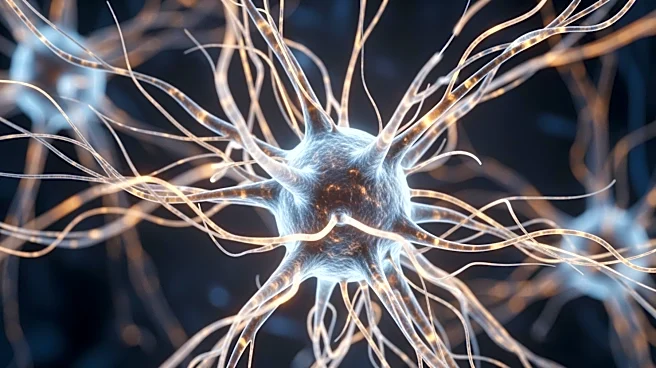
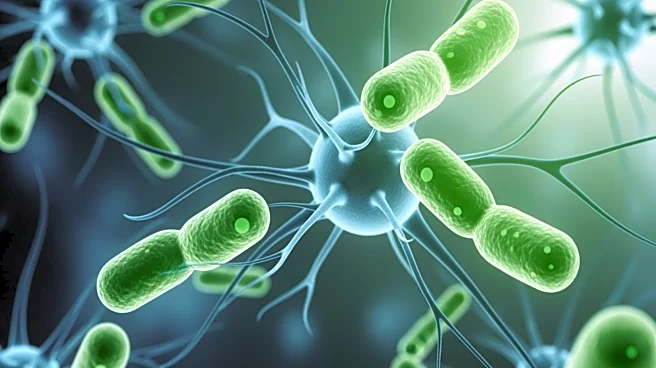
Recent studies have highlighted the significant role of the gut-brain axis in neurological health, emphasizing the potential of microbiome therapeutics. Research indicates that changes in the microbiome can influence neuroinflammation and recovery from
traumatic brain injuries. Antibiotic treatments have been shown to alter microbial communities, potentially reducing brain damage by decreasing lesion size and neuroinflammatory responses. Key bacteria, such as Parasutterella excrementihominis and Lactobacillus johnsonii, have been identified as beneficial in repairing brain damage. These findings suggest a promising avenue for developing precision therapies targeting neuroinflammation.
Why It's Important?
The exploration of the gut-brain axis opens new possibilities for treating neurological diseases, which could revolutionize current therapeutic approaches. By understanding how microbiome changes affect brain health, researchers can develop targeted treatments that may offer more effective and less invasive options compared to existing therapies. This could significantly impact the pharmaceutical industry, leading to new drug development and potentially improving the quality of life for patients with neurological conditions. The research also underscores the importance of the microbiome in overall health, potentially influencing future public health policies and dietary recommendations.
What's Next?
Researchers plan to bioengineer beneficial bacteria to develop precision therapies aimed at reducing neuroinflammation. This could lead to clinical trials and eventually new treatment options for patients with traumatic brain injuries and other neurological disorders. The continued study of the gut-brain axis may also reveal additional therapeutic targets, further expanding the potential for microbiome-based treatments. As the field progresses, collaboration between microbiologists, neurologists, and pharmaceutical companies will be crucial in translating these findings into practical medical applications.