










What's Happening?
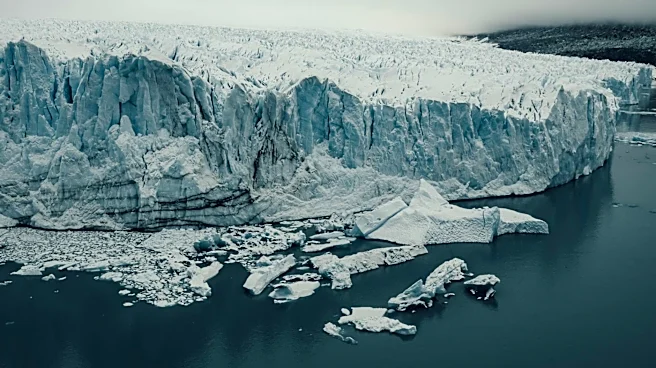
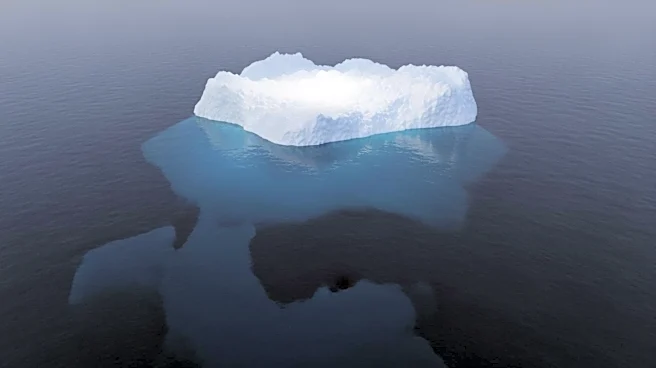
A study led by the Alfred Wegener Institute and the Woods Hole Oceanographic Institution reveals a significant increase in iceberg sightings in the Arctic, attributed to the destabilization of glaciers in Greenland and the Russian Arctic. This phenomenon
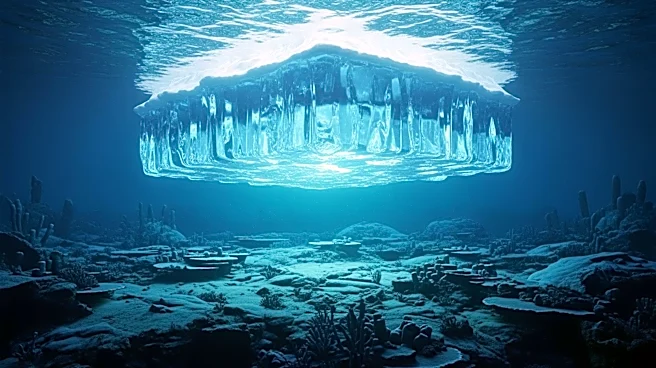
is reshaping deep-sea habitats as debris-laden icebergs deposit stones on the seafloor, creating new hard-substrate environments for marine life. The study highlights the risks posed by increased iceberg presence to shipping and fisheries. Researchers used satellite data and long-term observations to trace the origins of these icebergs, linking them to climate change-induced glacier melting.
Why It's Important?
The findings underscore the interconnectedness of climate change impacts on land and marine ecosystems. The increase in icebergs poses direct risks to maritime activities, including shipping and fishing, as these industries expand into Arctic regions. The deposition of stones from icebergs is altering marine biodiversity, potentially affecting ecological balances. This research provides critical insights for maritime safety and planning, emphasizing the need for reliable data on iceberg distribution to mitigate risks associated with Arctic navigation and resource exploration.
What's Next?
The study's insights are expected to inform future maritime safety protocols and route planning in polar regions. As the Arctic continues to warm, the frequency and impact of iceberg activity are likely to increase, necessitating ongoing monitoring and adaptation strategies. The establishment of Drift+Noise Polar Services aims to provide ships with accurate position information in ice-covered regions, enhancing safety and operational efficiency. Further research will focus on understanding the long-term ecological impacts of these changes on marine biodiversity.