






What's Happening?
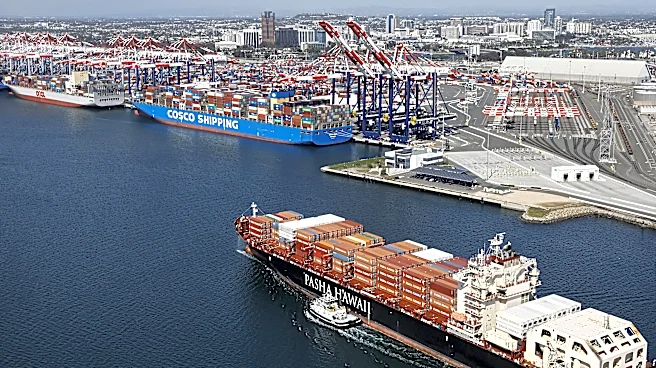
Pakistani customs officials have conducted a review of the operational capabilities of Turkmenistan's Turkmenbashi International Seaport. This visit was part of a bilateral exchange of experience with their Turkmen counterparts, focusing on the port's
infrastructure, technological capabilities, and digital solutions used at its customs checkpoint for controlling transit cargo and vehicles. Discussions also included the implementation of joint initiatives under the World Customs Organization (WCO) Programme for the Control of Passenger and Cargo Traffic, and activities within the Interregional Network of Customs Services and Port Control Units (IREN). Specialists from both countries exchanged practical experience and identified areas for further cooperation in customs administration at international seaports and the use of digital technologies to improve the security of transit cargo flows. This engagement is part of Pakistan's broader strategy to enhance its role as a maritime gateway for landlocked Central Asian countries.
Why It's Important?
This collaboration between Pakistan and Turkmenistan is significant for regional trade and economic integration. By examining and potentially adopting advanced customs practices and digital solutions, both countries aim to streamline transit cargo flows, which can reduce trade costs and improve efficiency. For Pakistan, strengthening its role as a maritime gateway for Central Asian nations like Turkmenistan can unlock new economic opportunities, boost its port activities, and foster deeper economic ties within the region. Improved customs administration and secure transit routes are crucial for attracting investment and facilitating the movement of goods, which can lead to economic growth and job creation. The involvement of the WCO programs underscores a commitment to international best practices, enhancing the credibility and reliability of these trade corridors.
What's Next?
Following the review, both countries are expected to pursue further cooperation in customs administration and the adoption of digital technologies. The discussions on implementing joint initiatives under WCO programs suggest that future actions will likely involve concrete steps to integrate and standardize customs procedures. Pakistan's ongoing efforts to promote its seaports and develop multimodal transport links indicate a continued focus on enhancing regional connectivity. The finalization and implementation of a bilateral Transit Trade Agreement, as previously discussed, will be a critical next step to solidify the legal framework for this cooperation. These developments could lead to increased trade volumes, more efficient logistics, and stronger economic partnerships between Pakistan and Central Asian countries.
Beyond the Headlines
This initiative extends beyond mere customs cooperation; it represents a strategic geopolitical move to enhance regional connectivity and economic influence. For Pakistan, establishing itself as a primary trade route for Central Asia could shift regional trade dynamics, potentially reducing reliance on other corridors. The emphasis on digital solutions in customs administration reflects a global trend towards leveraging technology for greater efficiency and security in trade. However, the success of such ventures depends on sustained political will, adequate infrastructure investment, and effective coordination among multiple stakeholders. There are also broader implications for regional stability, as enhanced economic interdependence can sometimes foster greater cooperation, but also introduce new complexities and potential rivalries over trade routes and economic benefits.