
What's Happening?
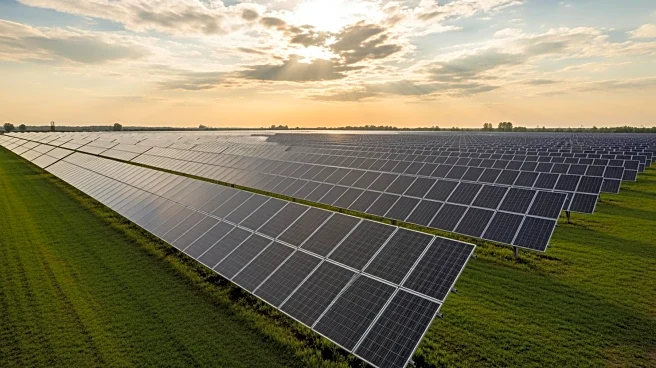
Public developers are increasingly taking on solar and renewable energy projects across the United States, particularly in areas lacking access to solar incentive programs. These developers provide essential
services such as project development, planning, and management for municipal projects, schools, and low-income housing. The Inflation Reduction Act and Bipartisan Infrastructure Law have supported these efforts through tax credits and public lending programs. However, the second Trump administration's policies are challenging these initiatives by reducing subsidies for renewable energy and increasing scrutiny on solar project permits.
Why It's Important?
The involvement of public developers in renewable energy projects is crucial for expanding access to clean energy solutions, especially in underserved areas. These efforts contribute to reducing carbon emissions and promoting sustainable energy practices. However, the current federal policy environment poses significant challenges, potentially slowing down the deployment of renewable energy projects. The situation highlights the tension between federal policies and local efforts to transition to sustainable energy sources.
Beyond the Headlines
The push for renewable energy by public developers reflects a broader trend towards local and state-level initiatives to combat climate change, despite federal resistance. This dynamic could lead to increased innovation and collaboration among public and private entities to overcome regulatory and financial barriers. The long-term success of these projects may depend on continued advocacy and policy adjustments to support renewable energy development.