




What's Happening?
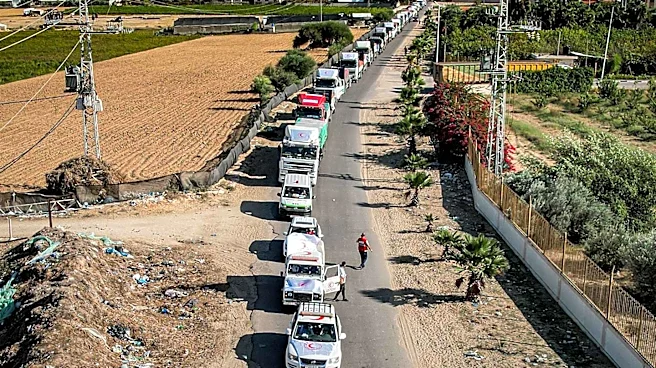
Australia, Canada, Italy, and the United Kingdom have jointly urged Israel to permit immediate and unimpeded humanitarian access throughout Gaza. This appeal comes as recent floods have exacerbated the already dire humanitarian situation, leaving many
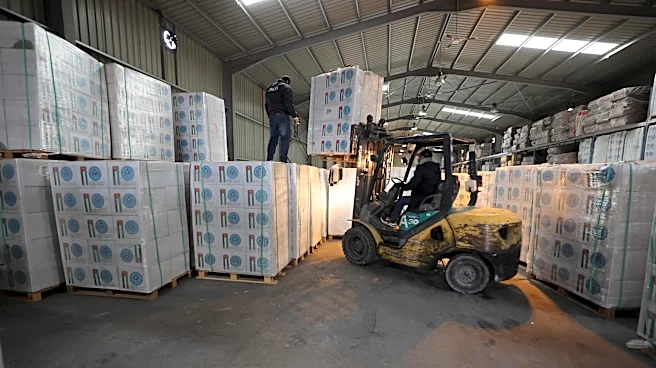
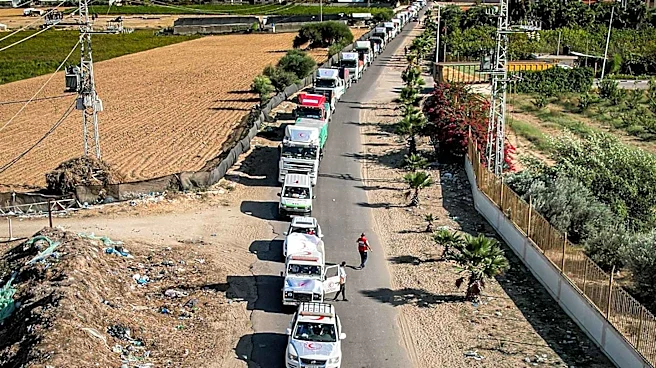
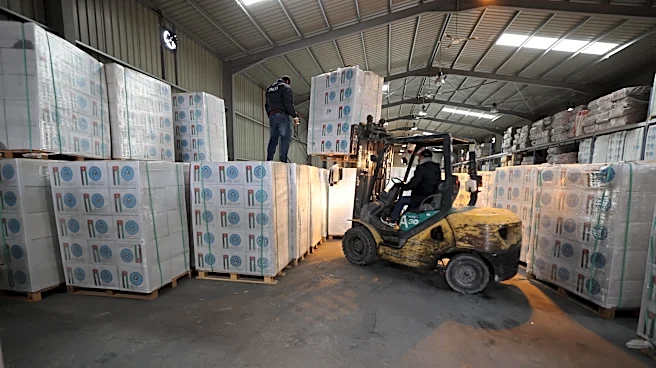
Palestinians without adequate shelter. The foreign ministers of these four nations co-signed a statement on Sunday, highlighting that approximately 150,000 tents and other vital supplies are currently being held at the border, prevented from entering Gaza. For years, Israel has maintained restrictions on entry and exports into Gaza, home to over 2 million people. Since October 2023, these restrictions have intensified into a full-scale blockade, severely limiting access to essential goods like food and water. The joint statement emphasizes that denying civilians access to humanitarian aid can constitute a war crime under the Geneva Convention. The countries are calling for an end to these delays to allow aid to reach those in desperate need before winter fully sets in, especially after heavy rains swept away tens of thousands of tents.
Why It's Important?
This international appeal underscores the escalating humanitarian crisis in Gaza and the growing pressure on Israel from key allies. The joint statement from Australia, Canada, Italy, and the UK signifies a unified diplomatic effort to address the severe conditions faced by Palestinians. The reference to the Geneva Convention and the potential for denying aid to be considered a war crime highlights the gravity of the situation and the legal implications involved. The inability to deliver essential supplies like tents and food not only exacerbates suffering but also raises questions about adherence to international humanitarian law. The call for immediate action before winter intensifies reflects concerns about further loss of life and widespread illness due to exposure and lack of basic necessities. The situation also impacts regional stability and international relations, as the continued blockade and humanitarian crisis draw condemnation and calls for intervention from various global actors, including the UN and the EU.
What's Next?
The immediate next step involves the response from the Israeli government to the urgent plea from Australia, Canada, Italy, and the UK. The international community will be closely watching to see if Israel will lift the restrictions and allow the critical humanitarian aid, including the 150,000 tents, to enter Gaza. The foreign ministers' statement explicitly calls for the opening of crossings and the entry of dual-use items necessary for humanitarian operations and early recovery. Further diplomatic efforts and potential sanctions could follow if the situation does not improve. Organizations like the Global Shelter Cluster estimate that Gaza residents need at least 1.7 million mattresses and 121,000 tents to cope with the cold, rainy weather, indicating that even if the currently held supplies are released, significant needs will remain. The ongoing calls for a comprehensive plan for Gaza and respect for international humanitarian law suggest continued international engagement on this issue.
Beyond the Headlines
The humanitarian crisis in Gaza extends beyond immediate aid needs, touching upon deeper ethical and legal considerations. The accusation that denying aid could be a war crime highlights the erosion of international humanitarian law in conflict zones. The long-standing restrictions on Gaza, now intensified, point to a systemic issue of access and control that predates the current conflict. The destruction of infrastructure and the displacement of over 1.9 million people create a complex challenge that goes beyond temporary relief, demanding long-term reconstruction and stability. The calls for action from various international bodies, including the UN and the EU, reflect a growing global concern about the protection of civilians in conflict and the accountability of states under international law. The situation also brings to light the challenges faced by humanitarian organizations in delivering aid in highly politicized and conflict-ridden environments, where their efforts are often hampered by bureaucratic hurdles and security concerns.