





What's Happening?
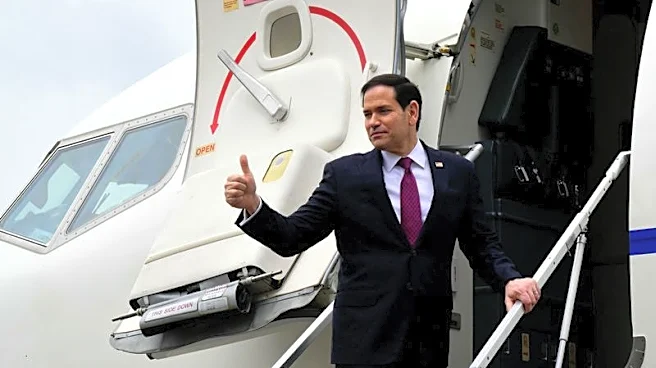
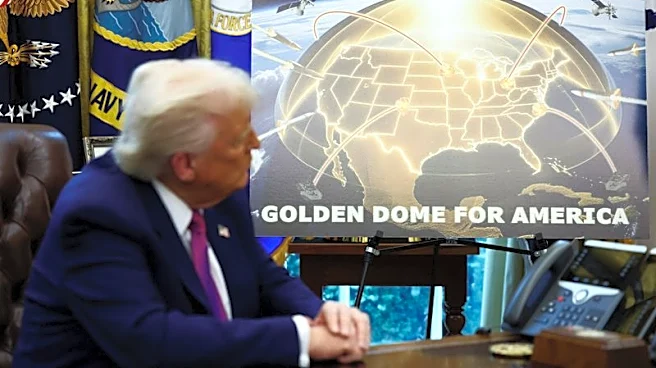
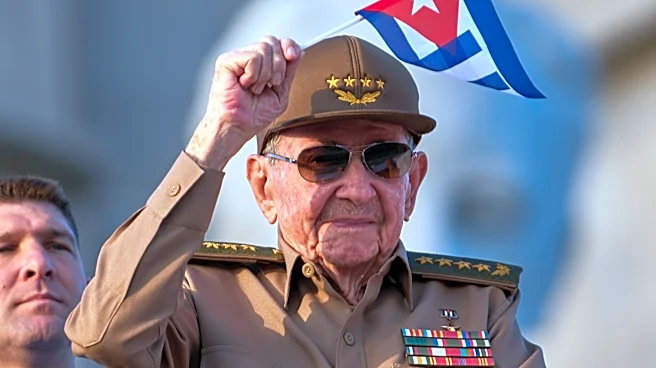
President Donald Trump has indicated a willingness to consider military intervention in Cuba, following the indictment of former Cuban leader Raúl Castro on charges related to the 1996 shootdown of civilian planes. Secretary of State Marco Rubio, a vocal
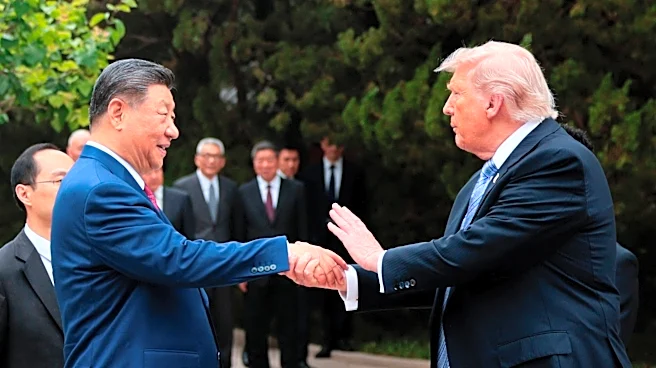
critic of Cuba's government, expressed doubts about achieving a diplomatic resolution with Cuba, citing its longstanding ties to U.S. adversaries. Despite a preference for peaceful negotiations, the U.S. has imposed additional sanctions on Cuba, reflecting frustration with the lack of progress in recent diplomatic talks. The situation is further complicated by Cuba's alliances with countries like China and Russia.
Why It's Important?
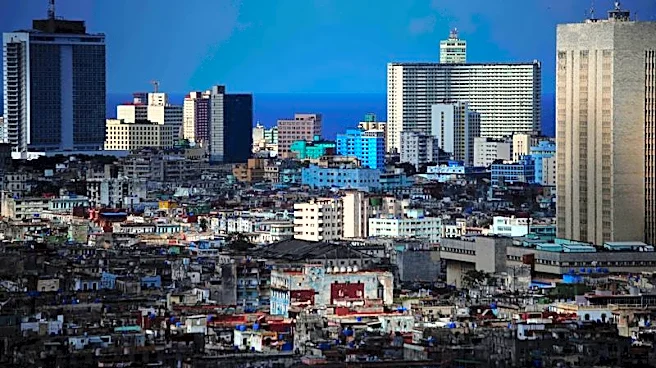
The potential for U.S. military action in Cuba represents a significant escalation in bilateral tensions, with implications for regional security and U.S. foreign policy. The Trump administration's approach underscores a shift towards more aggressive measures in dealing with perceived threats from Cuba. This development could strain U.S. relations with other countries in the region and impact global perceptions of American diplomacy. The economic and humanitarian conditions in Cuba may deteriorate further if tensions lead to increased sanctions or military conflict, affecting the Cuban population and regional stability.
What's Next?
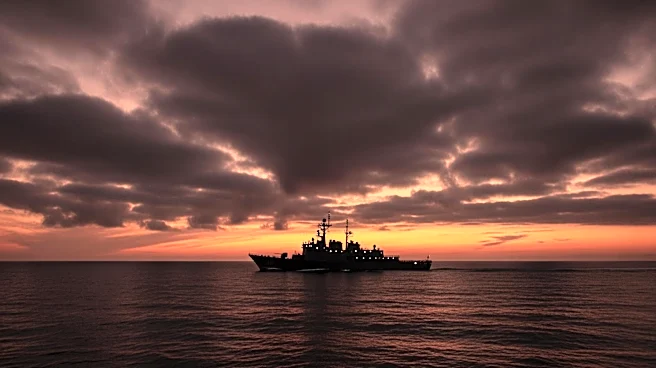
The U.S. administration may continue to pursue diplomatic solutions while keeping military options on the table. The indictment of Raúl Castro and the deployment of U.S. military assets in the Caribbean suggest preparations for potential action. International reactions, particularly from China and Russia, could influence the U.S. strategy moving forward. The situation remains dynamic, with potential for further developments in U.S.-Cuba relations and broader geopolitical implications.