


What's Happening?
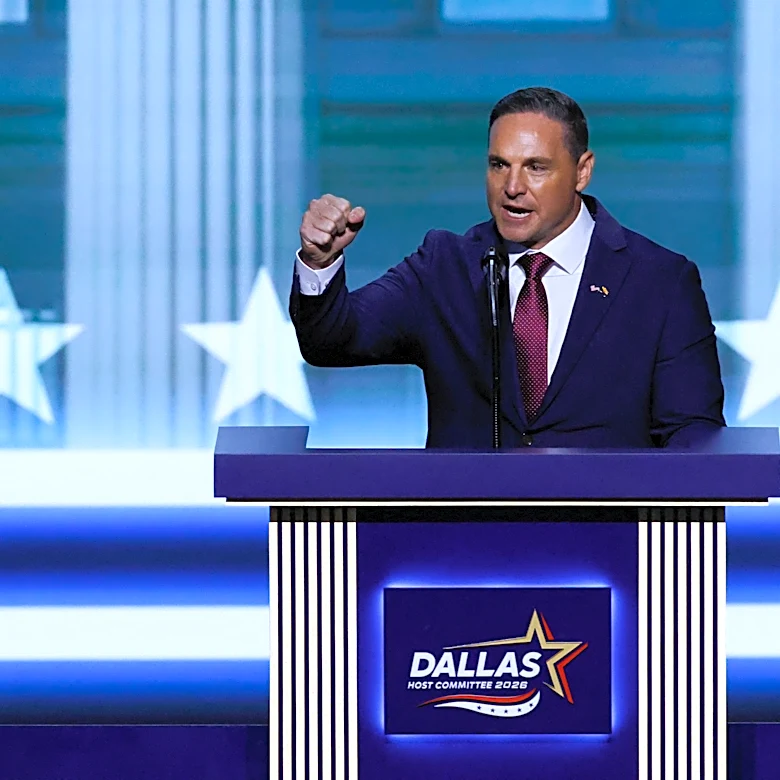
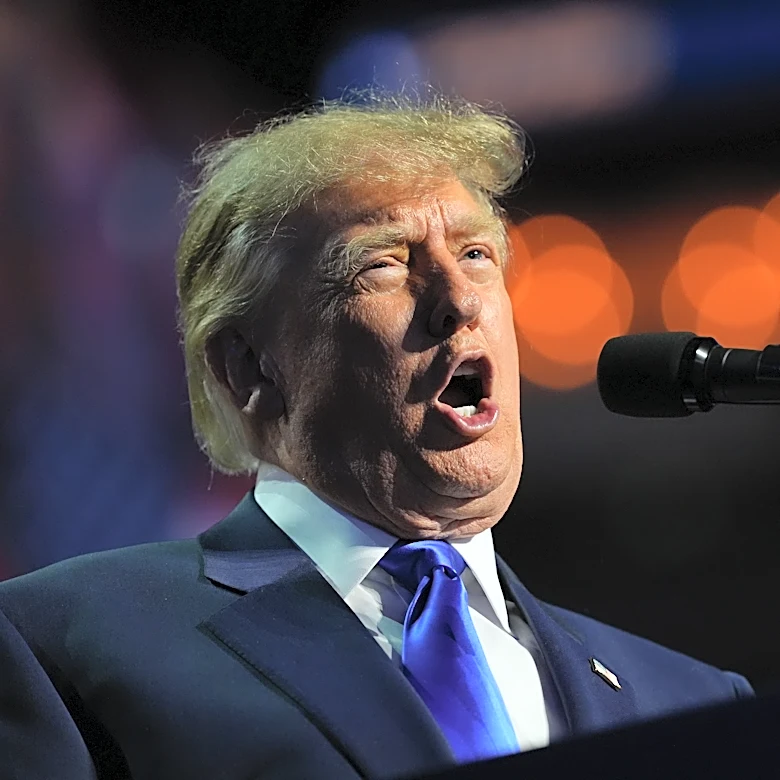
President Trump is actively involved in planning the Republican convention in Dallas, aiming to energize his base for the upcoming midterm elections. He is scheduled to deliver keynote addresses on both nights of the convention, effectively making it
a 'Trump show' to rally support for his party, despite not being on the ballot himself. During this period, President Trump has also publicly accused communists of promoting an 'INHUMAN ideology that has led to DEATH and DESTRUCTION around the World!' This rhetoric comes seven months into an ongoing war with Iran, and as his administration faces low approval ratings. Republicans familiar with the convention process indicate President Trump has meticulously planned nearly every detail of the event, emphasizing his control over the program.
Why It's Important?
President Trump's central role in the Republican midterm convention and his strong rhetoric against communism are significant for several reasons. His direct involvement in the convention, even when not on the ballot, highlights his continued influence over the Republican Party and its electoral strategy. This approach aims to mobilize his core supporters, but it also risks alienating moderate voters and potentially energizing the Democratic base, especially given his low approval ratings. The accusation of communism against progressive candidates and the broader ideology serves to frame the midterm elections as a stark ideological battle, potentially intensifying political polarization. This strategy could impact the outcomes of tight races across the country, as it focuses on a national narrative rather than local issues. Furthermore, this political maneuvering occurs against the backdrop of an ongoing Iran War, which adds another layer of complexity to the political landscape and public sentiment.
What's Next?
The Republican convention in Dallas is set to unfold with President Trump at its center, delivering key speeches. The immediate focus will be on whether his efforts succeed in galvanizing Republican voters for the midterm elections and if his strong anti-communist rhetoric resonates with the broader electorate. Political analysts will be observing if this 'Trump show' can effectively counter the historical trend of the party in power losing seats during midterms. The impact on specific races, particularly the Texas Senate race where President Trump's endorsement of Ken Paxton has created a potentially close contest, will be closely monitored. Reactions from both Republican and Democratic camps to the convention's messaging and President Trump's continued influence will also be critical in shaping the political discourse leading up to Election Day.
Beyond the Headlines
President Trump's strategy of making the midterm elections a referendum on himself and his strong ideological pronouncements against communism delve into deeper implications for American political culture. This approach suggests a continued shift towards personality-driven politics and a heightened emphasis on ideological purity within the Republican Party. The use of strong, polarizing language like 'INHUMAN ideology' can further entrench divisions, making bipartisan cooperation more challenging. Ethically, it raises questions about the responsibility of political leaders to foster unity versus mobilizing a base through confrontational rhetoric. In the long term, this could contribute to a more fragmented political landscape, where elections are less about policy debates and more about cultural and ideological warfare, potentially impacting democratic norms and institutions.