








What's Happening?
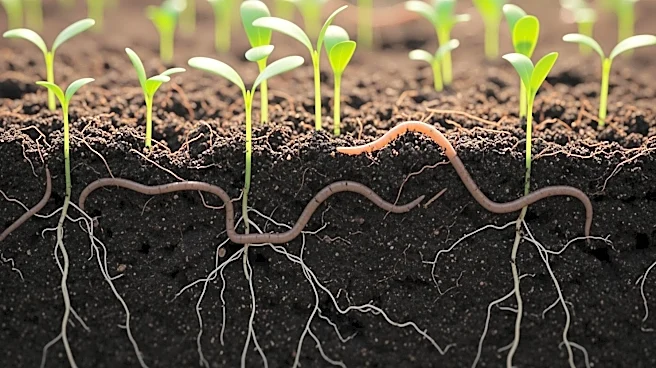
Asian jumping worms, scientifically known as Amynthas agrestis, are spreading across the United States, reaching states like New York, New Jersey, and Connecticut. These worms, which can flip themselves a foot off the ground and reproduce without a mate,
have been moving from California through 38 states. They arrived in the U.S. in the early 1900s via potted plants from the Far East. Known for their voracious appetite, these worms consume leaf litter and mulch, disrupting soil ecosystems and harming plant roots. Despite their impact, few states officially recognize them as invasive, complicating efforts to manage their spread.
Why It's Important?
The spread of Asian jumping worms poses a significant threat to U.S. ecosystems. By consuming organic matter at a rapid rate, they alter soil composition, making it less suitable for native plants and disrupting local biodiversity. This can have cascading effects on agriculture, forestry, and natural habitats. The worms' ability to reproduce quickly and spread through human activities, such as the movement of soil and plants, exacerbates the challenge of controlling their population. Addressing this issue requires increased awareness and coordinated efforts among environmental agencies and the public to prevent further ecological damage.
What's Next?
Efforts to manage the spread of Asian jumping worms will likely involve increased research to understand their behavior and impact. Environmental agencies may need to develop guidelines for nurseries and gardeners to prevent the unintentional spread of these worms. Public awareness campaigns could be crucial in educating people about identifying and managing infestations. Additionally, regulatory changes might be necessary to classify these worms as invasive, enabling more effective control measures. Collaboration between states and environmental organizations will be essential to mitigate the ecological risks posed by these invasive species.