





What's Happening?
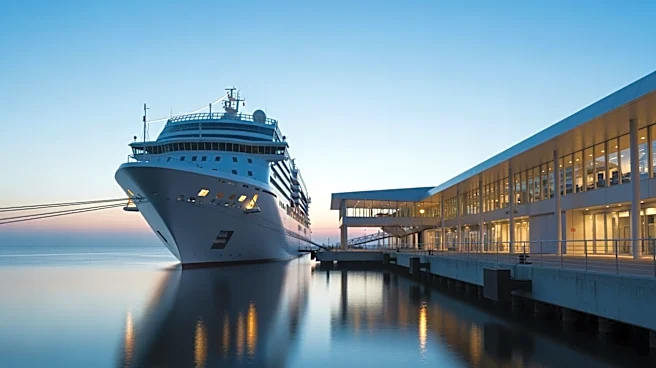
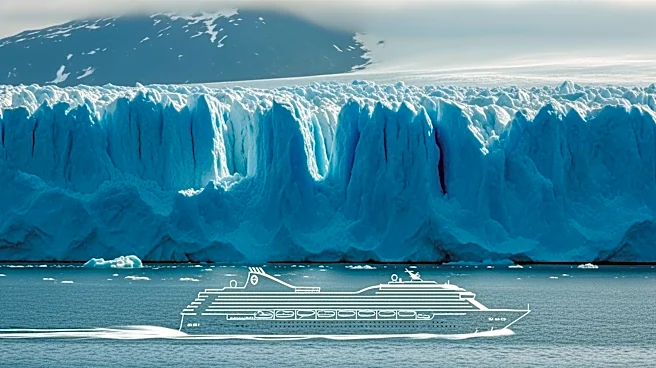
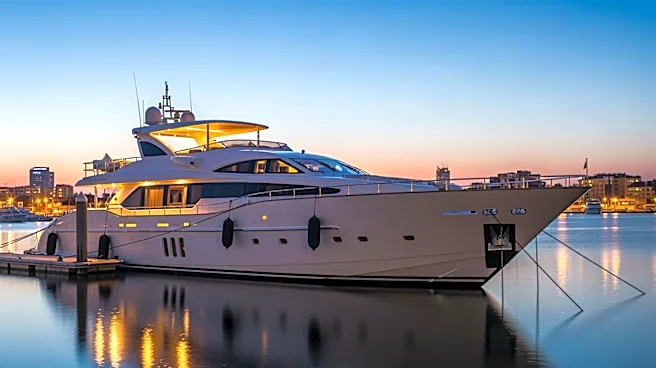
Alaska is gearing up for a record-breaking cruise season in 2026, with new cruise lines such as MSC Cruises, Virgin Voyages, and The Ritz-Carlton Yacht Collection entering the market. The state has seen a significant increase in cruise tourism, with passenger
volumes tripling between 1995 and 2025. Despite a slight decline in passenger numbers in Juneau in 2025, the city has implemented a voluntary agreement with the cruise industry to manage visitor numbers, capping daily cruise ship visits and passenger numbers. The cruise season in Alaska has been extended, allowing passengers to experience a range of weather conditions. Major homeports like Vancouver and Seattle are also preparing for increased passenger volumes, with Vancouver expecting a record 1.4 million passengers in 2026.
Why It's Important?
The growth of the cruise industry in Alaska is a significant economic driver, contributing millions to local economies through passenger spending and cruise line expenditures on local goods and services. However, the influx of tourists has raised concerns about overtourism, particularly in popular destinations like Juneau, where residents have expressed concerns about overcrowding. The voluntary agreement to limit cruise ship visits aims to balance economic benefits with quality of life for residents. Additionally, environmental considerations are being addressed, with Seattle implementing shore power for cruise ships to reduce emissions. The expansion of the cruise season and the entry of new cruise lines highlight the growing demand for unique travel experiences.
What's Next?
As the 2026 cruise season approaches, stakeholders will monitor the impact of the new visitor management strategies in Juneau and other Alaskan ports. The success of these measures could influence future policies on cruise tourism management. Additionally, the environmental initiatives in Seattle may set a precedent for other ports to adopt similar practices. The continued growth of the cruise industry in Alaska will likely prompt further discussions on sustainable tourism practices and infrastructure development to accommodate increasing passenger numbers while preserving the natural environment.