




What's Happening?
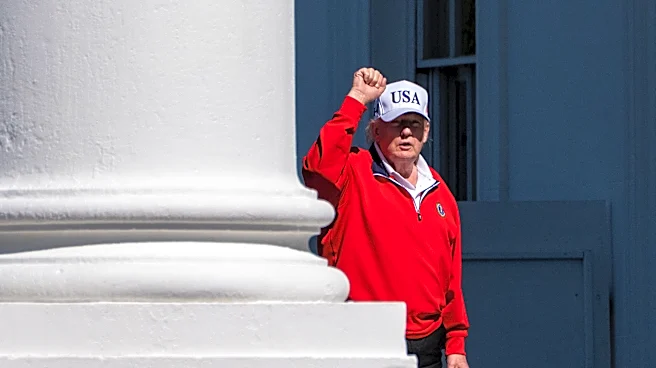
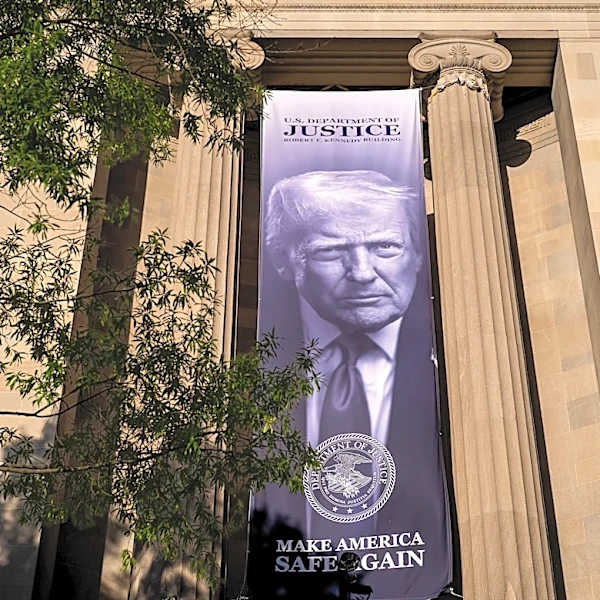
President Trump expressed optimism about ongoing negotiations with Iran, despite recent military clashes near the Strait of Hormuz. In a social media post, Trump criticized political commentators for their speculation on the pace and direction of the talks,
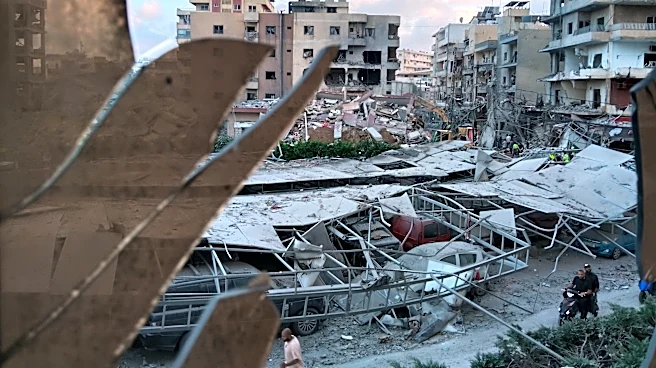
urging patience. The negotiations aim to extend a ceasefire and potentially lift a blockade on Iranian ports. However, Iran has accused the US of sending mixed signals and prolonging the discussions. Tensions have been exacerbated by recent military actions, including US strikes on Iranian radar sites, which were described as responses to aggressive actions by Iran. The situation remains delicate, with both sides maintaining a military presence in the region.
Why It's Important?
The outcome of these negotiations holds significant implications for international relations and global energy markets. A successful deal could stabilize the region, potentially lowering energy prices that have surged due to the conflict. However, the negotiations are complicated by domestic political pressures on President Trump, who faces criticism from both his party and the public. The potential unfreezing of Iranian funds is a contentious issue, with opponents fearing it could embolden Iran. The situation also impacts US foreign policy, as it navigates its role in Middle Eastern geopolitics and its relationship with allies like Israel.
What's Next?
The next steps involve continued diplomatic efforts to solidify a ceasefire and address Iran's demands regarding maritime control and economic sanctions. The US is likely to face internal and external pressures as it seeks a resolution that balances strategic interests with political realities. The international community, including mediators like Pakistan and Qatar, will play a crucial role in facilitating dialogue. The potential for further military escalation remains if negotiations falter, underscoring the need for a diplomatic breakthrough.