
What's Happening?
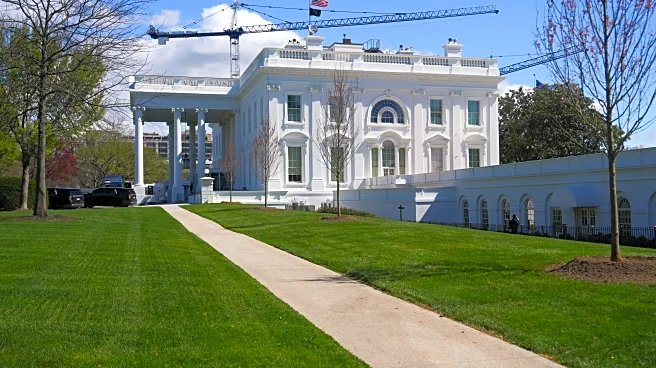
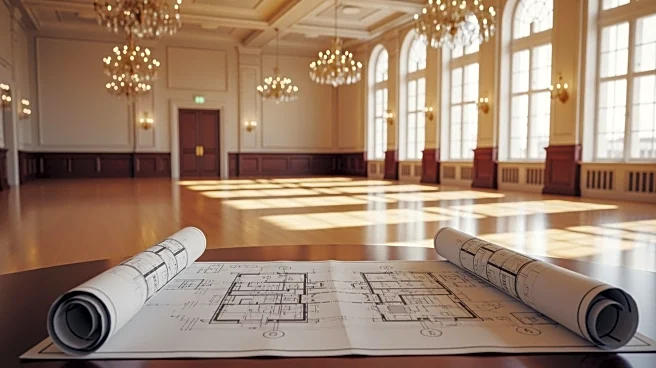
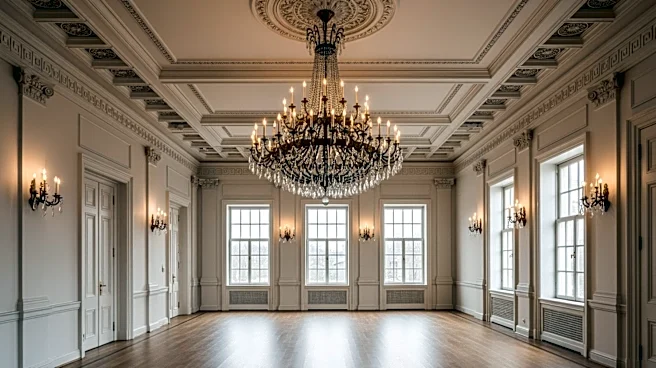
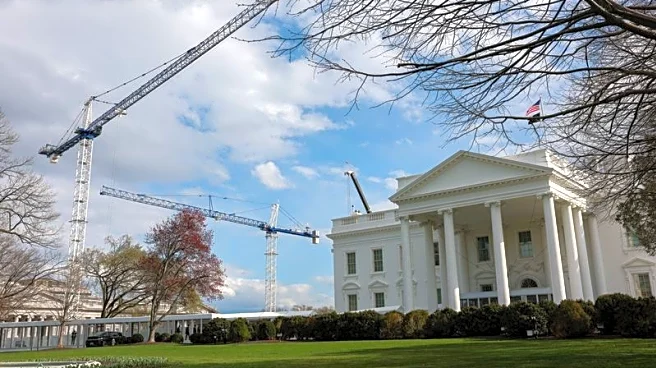
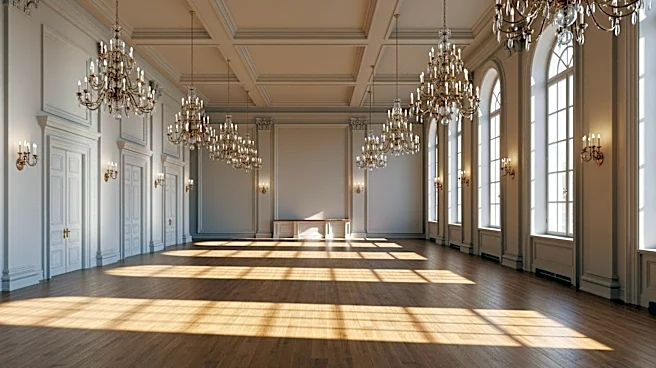
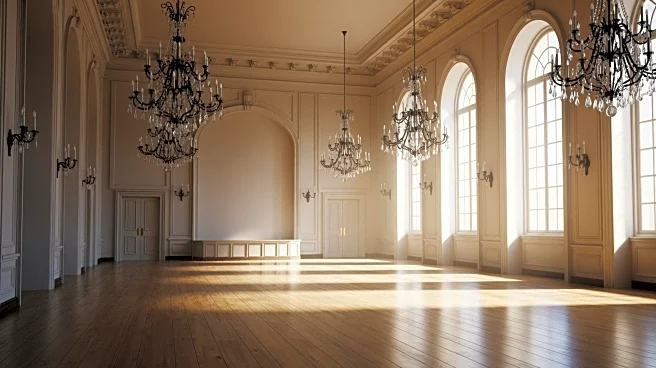
A federal judge has ordered the Trump administration to halt the construction of a $400 million ballroom at the White House unless Congress approves the project. The ruling came after the National Trust for Historic Preservation filed a lawsuit, arguing
that the construction lacked necessary congressional authorization. The judge, Richard Leon, stated that the President does not have unilateral authority to undertake such projects without legislative approval. The White House has filed a notice to appeal the decision, and the ruling has temporarily suspended the project, which had already seen the demolition of the East Wing.
Why It's Important?
This ruling represents a significant legal challenge to President Trump's efforts to make substantial changes to the White House without congressional oversight. The decision underscores the importance of checks and balances in government, particularly regarding the use of federal property and funds. The outcome of this case could set a precedent for future presidential projects and the extent of executive power. It also highlights the role of preservationist groups in protecting historic sites and ensuring that changes to such landmarks are subject to public and legislative scrutiny.
What's Next?
The Trump administration's appeal of the ruling indicates that the legal battle over the ballroom construction is likely to continue. The National Capital Planning Commission is expected to review the project, and their decision could influence the future of the construction. If the appeal is unsuccessful, the administration may need to seek congressional approval to proceed. This situation may also prompt discussions about the broader implications of presidential authority over federal property and the need for legislative oversight in similar projects.