






What's Happening?
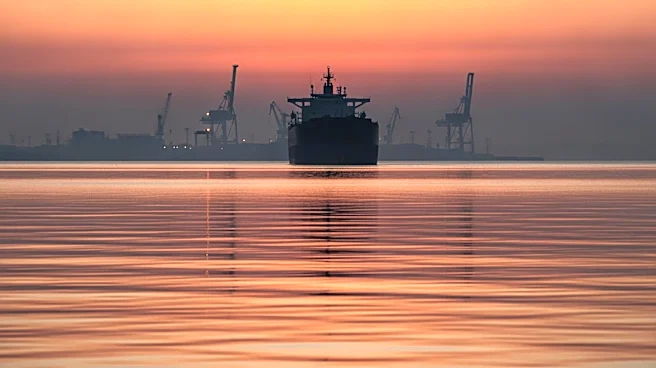
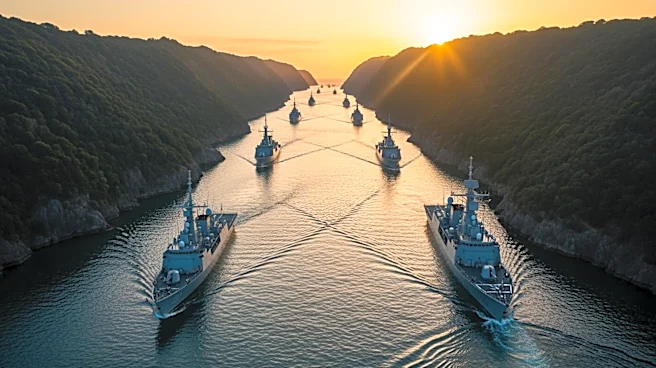
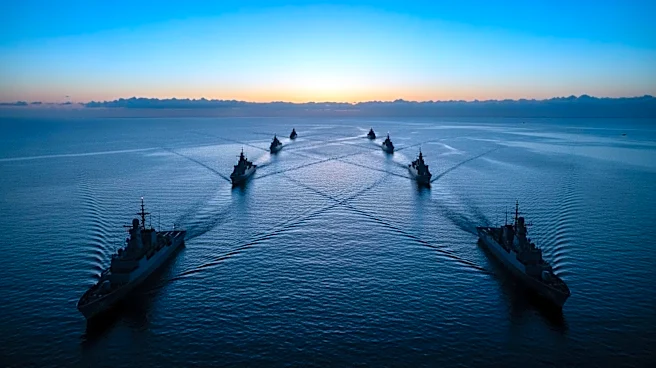
U.S. Central Command has outlined its plan for a naval blockade of the Strait of Hormuz, effective at 18:00 local time. The blockade will be enforced impartially against vessels entering or departing Iranian ports, covering areas within the Gulf and Gulf of Oman.
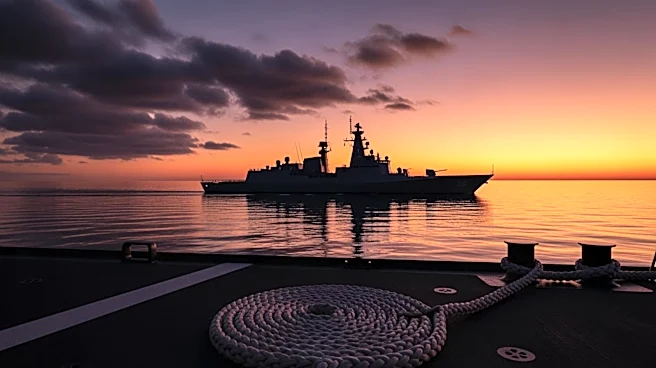
The blockade aims to restrict Iranian access to international markets, with U.S. naval forces prepared to counter threats from Iranian forces. The plan includes measures to interdict or respond to attacks, with a focus on maintaining regional stability. The blockade does not coincide with a resumption of air warfare, but there is a risk of escalation if incidents occur.
Why It's Important?
The blockade of the Strait of Hormuz is crucial due to its impact on global oil transport, affecting energy prices and economic stability. The U.S. aims to pressure Iran economically, while maintaining military readiness to counter potential threats. The situation highlights the strategic importance of the strait and the geopolitical tensions in the region. The blockade could provoke Iranian retaliation, impacting regional security dynamics and international relations. The U.S. must balance military operations with diplomatic efforts to prevent further escalation and maintain stability.
What's Next?
The U.S. will monitor Iran's response to the blockade, with potential for retaliatory actions against Gulf countries. Diplomatic efforts may be pursued to resume negotiations and de-escalate tensions. The blockade's impact on oil prices and global markets will be closely watched, as stakeholders assess the economic consequences. Regional actors may develop strategies to counter increased Iranian aggression, while the U.S. and allies prepare for potential military developments.