





What's Happening?
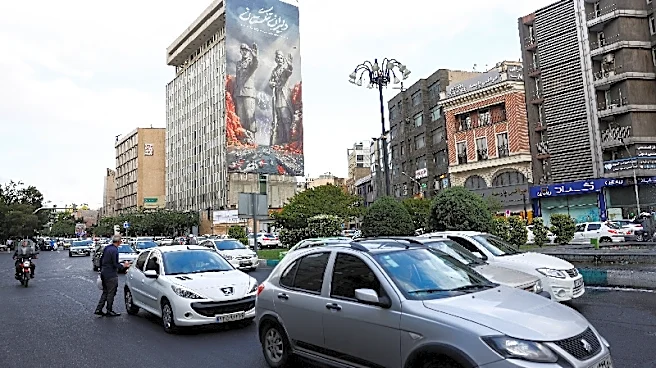
The ongoing conflict in Iran is significantly disrupting tourism in the Middle East and reshaping global travel patterns. The region, which had been experiencing a tourism boom, is now facing a decline in visitor numbers due to safety concerns. The World
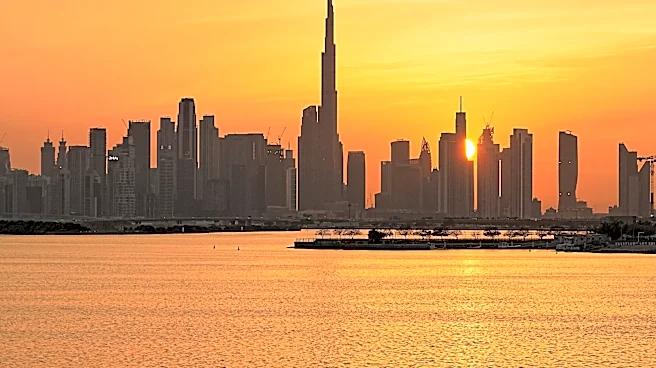
Travel and Tourism Council reported that the conflict is costing the region's tourism sector around $600 million a day. Travelers are increasingly opting for perceived safer destinations, leading to a shift in travel behavior. The conflict has resulted in thousands of flight cancellations and airspace closures, affecting major travel hubs like Dubai and Abu Dhabi.
Why It's Important?
The disruption in Middle East tourism has broader implications for the global travel industry. The region serves as a major transit point for international travelers, and the conflict is causing a ripple effect, impacting travel routes and patterns worldwide. The economic impact is substantial, with significant losses in tourism revenue and potential long-term damage to the region's reputation as a travel destination. The situation highlights the vulnerability of the travel industry to geopolitical events and the need for robust crisis management strategies.
What's Next?
The recovery of Middle East tourism will depend on the resolution of the conflict and efforts to rebuild confidence in the region's safety. Airlines and travel companies may need to adjust their strategies to accommodate changing travel patterns and preferences. The international community may play a role in facilitating dialogue and stability in the region to support the recovery of the tourism sector. Travelers are likely to continue prioritizing safety and flexibility in their travel plans, with a focus on closer and more secure destinations.