




What's Happening?
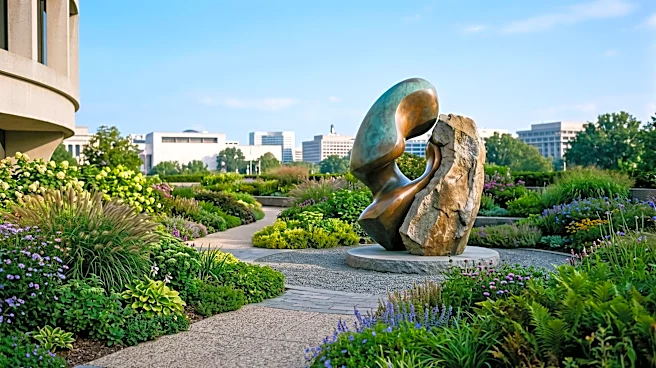
The Smithsonian Institution's Hirshhorn Museum and Sculpture Garden has reopened its outdoor space after a four-year transformation. The redesigned garden now features nearly 60 sculptures, an expanded landscape, and new plantings, making it more accessible
for visitors. Artist and architect Hiroshi Sugimoto played a key role in the redesign, which includes a restored underground passage connecting the garden to the museum plaza. This renovation aims to offer a contemporary sculpture experience in an outdoor setting, providing a different kind of sightseeing opportunity compared to Washington D.C.'s traditional historical monuments. The garden is located adjacent to the National Mall, allowing for easy integration with other nearby attractions. Admission to the outdoor garden is free, enhancing its accessibility to the public.
Why It's Important?
The reopening of the Hirshhorn Sculpture Garden signifies a significant enhancement to Washington D.C.'s cultural landscape, offering both residents and tourists an enriched artistic experience. By expanding the landscape and integrating new sculptures, the museum reinforces its commitment to contemporary art and public engagement. The involvement of renowned artist and architect Hiroshi Sugimoto elevates the garden's design, potentially drawing increased national and international attention to the Hirshhorn Museum. This development also contributes to the broader appeal of the National Mall area, providing a modern artistic counterpoint to the historical monuments. The free admission policy ensures that this cultural asset remains accessible to a diverse audience, promoting art appreciation and cultural enrichment across various socioeconomic groups.
What's Next?
Following its reopening, the Hirshhorn Sculpture Garden is expected to become a prominent destination for art enthusiasts and general visitors to Washington D.C. The museum will likely focus on promoting the redesigned space through various public programs, guided tours, and educational initiatives to maximize engagement. Future plans may include rotating sculpture exhibitions or special events to maintain visitor interest and showcase new acquisitions. The success of this redesign could also influence future urban planning and public art initiatives within the Smithsonian complex and across the capital, potentially inspiring similar projects that integrate art, architecture, and natural landscapes. The museum will also monitor visitor feedback to further refine the garden's offerings and accessibility.
Beyond the Headlines
The revitalization of the Hirshhorn Sculpture Garden reflects a broader trend in museum design towards creating more immersive and interactive outdoor spaces that blend art with nature. This approach not only enhances the aesthetic appeal but also encourages a more contemplative and engaging visitor experience, moving beyond traditional indoor gallery settings. Ethically, the free access to such a significant art collection underscores the Smithsonian's mission to democratize art and culture, making it available to all without financial barriers. Architecturally, Sugimoto's contribution highlights the ongoing dialogue between historical preservation and contemporary design, as seen in the restoration of the underground passage. This project could serve as a model for other institutions seeking to modernize their public spaces while respecting their historical context and expanding their cultural impact.