






What's Happening?
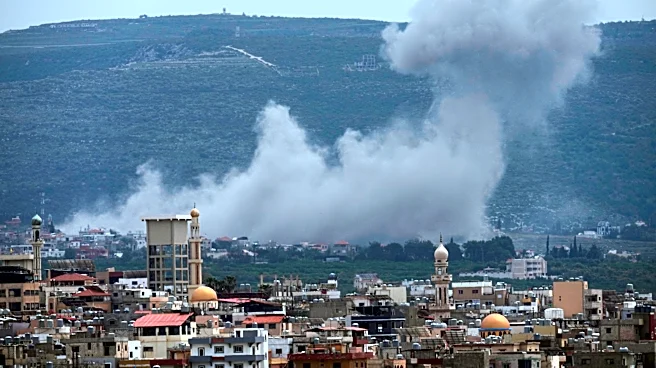
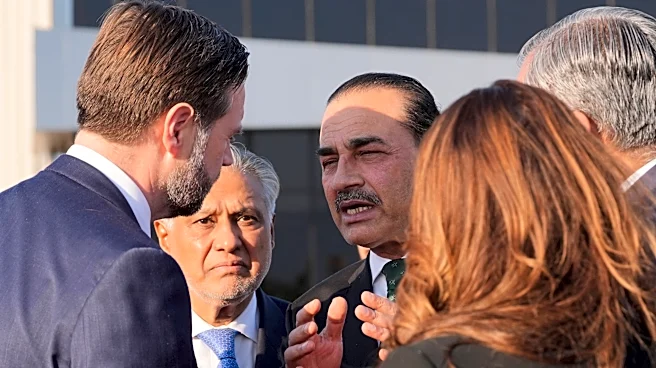
Pakistan's army chief is visiting Tehran to facilitate renewed negotiations between the US and Iran, following nearly seven weeks of conflict. The visit aims to arrange a second round of talks after initial discussions in Islamabad helped narrow differences.
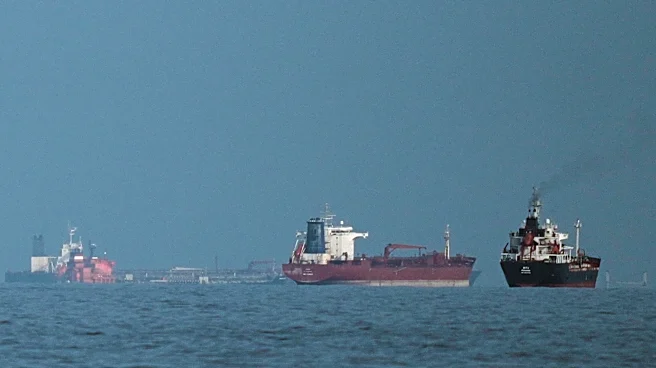
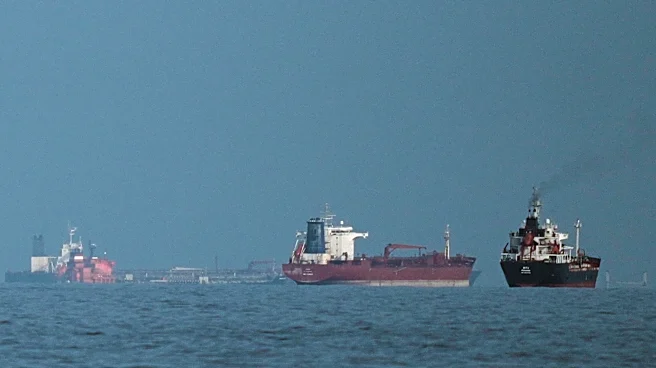
The US continues its naval blockade of Iranian ports, with new economic sanctions planned to increase pressure on Iran. Despite these tensions, there is reported progress towards extending the current ceasefire, which is set to expire soon. The conflict has significantly impacted global markets, with disruptions in oil flow and heightened economic uncertainty.
Why It's Important?
The mediation efforts by Pakistan highlight its emerging role as a key diplomatic player in the Middle East. Successful negotiations could lead to a de-escalation of hostilities, benefiting regional stability and global economic interests, particularly in the oil sector. The ongoing conflict has already caused significant casualties and economic disruptions, emphasizing the urgent need for a diplomatic resolution. The outcome of these talks could influence US foreign policy and its relations with both Iran and regional allies, potentially reshaping geopolitical dynamics in the Middle East.
What's Next?
If negotiations progress, further talks are likely to take place in Islamabad, with the potential for a more comprehensive peace agreement. The involvement of international stakeholders, including China, which has called for the reopening of the Strait of Hormuz, will be crucial. The resolution of key issues such as Iran's nuclear program and regional security concerns will be central to achieving a lasting peace. The continuation of diplomatic efforts will be essential in preventing further escalation and ensuring stability in the region.