





What's Happening?
Minnesota State Community and Technical College (M State) has announced plans to close its Detroit Lakes campus by summer 2028. This decision stems from a projected $30 million budget deficit across the Minnesota State Colleges and Universities system
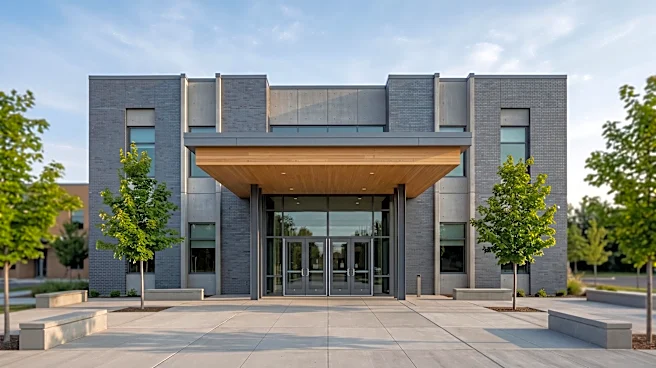
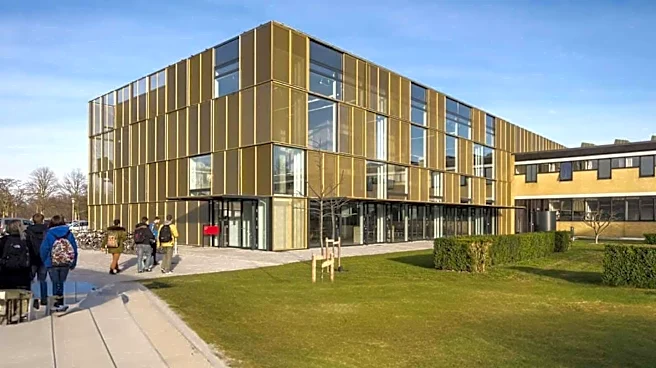
and declining student enrollment at the Detroit Lakes location. M State President Carrie Brimhall stated that the closure, while difficult, is necessary to ensure the long-term viability of the college system. The Detroit Lakes campus, which has been part of the community for nearly 60 years, currently serves only 111 students and houses two academic programs: nursing and radiologic technology. College officials noted that the campus facilities are aging, and the costs associated with necessary repairs, such as roof and HVAC upgrades, are substantial. The college aims to allow all current Detroit Lakes students to complete their degrees with minimal disruption, potentially by relocating programs to other campuses like Moorhead, where enrollments are growing. A public meeting regarding the closure is scheduled for November 5, and the plan still requires approval from the Minnesota State Board of Trustees.
Why It's Important?
The closure of the Detroit Lakes campus highlights the significant financial challenges facing higher education institutions, particularly community colleges, in the U.S. The projected $30 million budget deficit for the Minnesota State system underscores a broader trend of rising costs outpacing revenues, which can lead to difficult decisions regarding campus operations and program offerings. This move will directly impact students, faculty, and staff at the Detroit Lakes campus, as well as the local community that has relied on the institution for educational and economic opportunities for decades. The decision to prioritize the long-term financial health of the overall M State system, even at the cost of closing a long-standing campus, reflects a strategic shift to consolidate resources and adapt to changing educational landscapes and student demographics. It also raises questions about access to education in rural areas and the future of community college models in the face of financial pressures and evolving student needs.
What's Next?
The proposed closure plan for the Detroit Lakes campus will be subject to a public meeting on November 5, providing an opportunity for community members, students, and employees to voice their concerns and perspectives. Following this, the plan will require approval from the Minnesota State Board of Trustees. If approved, M State has committed to ensuring that all current students at the Detroit Lakes campus will be able to complete their degrees, likely through transfers to other M State campuses such as Moorhead, Fergus Falls, or Wadena, where enrollments are reportedly growing. The future of the campus property itself, located along State Highway 34, remains undecided. The broader Minnesota State Colleges and Universities system will continue to grapple with its budget deficit, potentially leading to further evaluations of other campuses or programs to ensure financial stability and long-term sustainability across the state.
Beyond the Headlines
This campus closure reflects a deeper societal shift in educational demands and economic realities. The declining enrollment at the Detroit Lakes campus, despite its long history, points to changing preferences among prospective students, possibly favoring larger campuses or online learning options. The significant investment required for maintaining aging infrastructure, as highlighted by M State President Carrie Brimhall, underscores the financial burden faced by many older educational institutions. This situation could prompt a re-evaluation of how state-funded higher education systems are structured and financed, potentially leading to more consolidations or innovative approaches to delivering education. The impact on the Detroit Lakes community extends beyond education, affecting local businesses, property values, and the overall social fabric, as a long-standing institution departs. This event could serve as a case study for other regions facing similar challenges in balancing educational access with financial prudence.