






What's Happening?
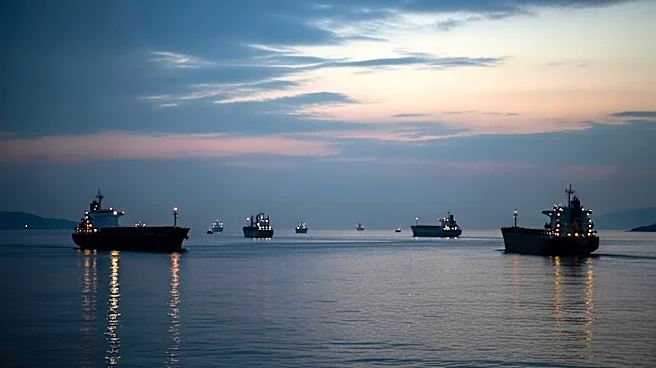
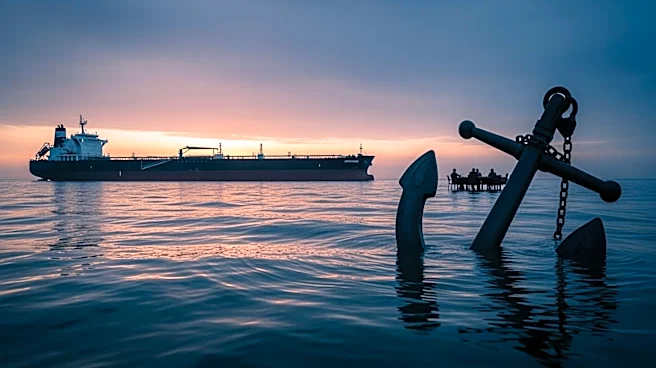
The US has seized the oil tanker MT Tifani in the Indian Ocean, which was carrying 1.9 million barrels of Iranian oil. The tanker had been involved in ship-to-ship transfers in the Eastern Outer Port Limits (EOPL) off Malaysia, a known hotspot for Iran's
shadow fleet operations. These activities are part of Iran's strategy to evade sanctions and continue exporting oil, primarily to China. The EOPL serves as a floating gas station for Iran, facilitating the transfer and storage of oil despite international sanctions.
Why It's Important?
This seizure highlights the ongoing geopolitical tensions surrounding Iran's oil exports and the challenges of enforcing international sanctions. The use of shadow fleets and ship-to-ship transfers allows Iran to maintain a steady flow of oil exports, providing crucial revenue for the regime. The situation underscores the complexities of global oil markets and the impact of sanctions on international trade. The US's actions reflect its commitment to curbing Iran's oil trade, which has significant implications for global energy security and diplomatic relations.
What's Next?
The US and its allies may increase efforts to monitor and intercept illegal oil transfers, potentially leading to further seizures and diplomatic tensions. Iran is likely to continue its shadow fleet operations to sustain its oil exports, while countries like China may face increased scrutiny for their involvement in purchasing sanctioned oil. The situation could lead to further geopolitical developments, impacting global oil prices and international relations.