





What's Happening?
Professor Carolyn Hogg from the University of Sydney is spearheading a global coalition of Universitas 21 scientists. This coalition's primary objective is to assess the progress of the Global Biodiversity Framework. The initiative aims to create a comprehensive
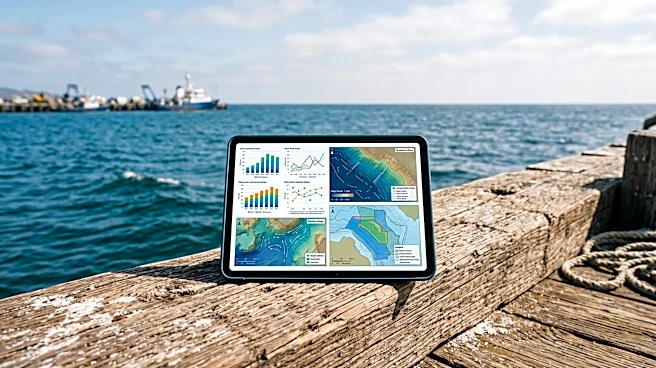
dashboard for investors, designed to incorporate all relevant factors. The goal is to ensure that the metrics developed are effective for ecosystems, nature stewards, decision-makers, and investors alike. This effort signifies a concerted international academic collaboration focused on environmental accountability and sustainable investment practices. The coalition's work is crucial for translating biodiversity goals into measurable outcomes that can guide financial decisions and conservation efforts globally. By developing a robust measurement tool, the scientists seek to provide clarity and actionable insights for various stakeholders involved in biodiversity preservation.
Why It's Important?
This initiative is significant because it addresses a critical need for standardized and comprehensive metrics in biodiversity conservation. Currently, investors and policymakers often lack clear, unified data to evaluate the impact of their actions on ecosystems. The dashboard developed by this coalition could bridge this gap, enabling more informed and responsible investment decisions. By accounting for all relevant factors, the metrics aim to prevent greenwashing and ensure that financial flows genuinely contribute to biodiversity protection. This could lead to a shift in how industries and governments approach environmental sustainability, potentially incentivizing practices that benefit nature. The involvement of a global network of scientists lends credibility and broad applicability to the framework, making it a potentially influential tool for global environmental governance and corporate responsibility.
What's Next?
The immediate next steps for Professor Hogg's coalition will likely involve the continued development and refinement of the comprehensive dashboard. This will entail extensive research, data collection, and collaboration among the Universitas 21 scientists to ensure the metrics are robust and universally applicable. Engagement with potential users, including investors, environmental organizations, and governmental bodies, will be crucial to gather feedback and ensure the dashboard meets their practical needs. Piloting the dashboard in various ecological and economic contexts could also be anticipated to test its efficacy and make necessary adjustments. Ultimately, the coalition will aim to widely disseminate the dashboard and advocate for its adoption as a standard tool for measuring biodiversity progress and guiding investment strategies.
Beyond the Headlines
The deeper implications of this scientific coalition extend to the evolving landscape of environmental finance and corporate accountability. By providing a transparent and comprehensive measurement tool, the initiative could fundamentally alter how businesses and financial institutions assess and report their environmental impact. This could lead to increased pressure on companies to adopt more sustainable practices, as their biodiversity footprint becomes more quantifiable and visible to investors and the public. Furthermore, it highlights the growing role of academic institutions in driving global policy and market changes related to sustainability. The success of such a dashboard could set a precedent for similar initiatives in other environmental domains, fostering a more data-driven and accountable approach to global environmental challenges.