




What's Happening?
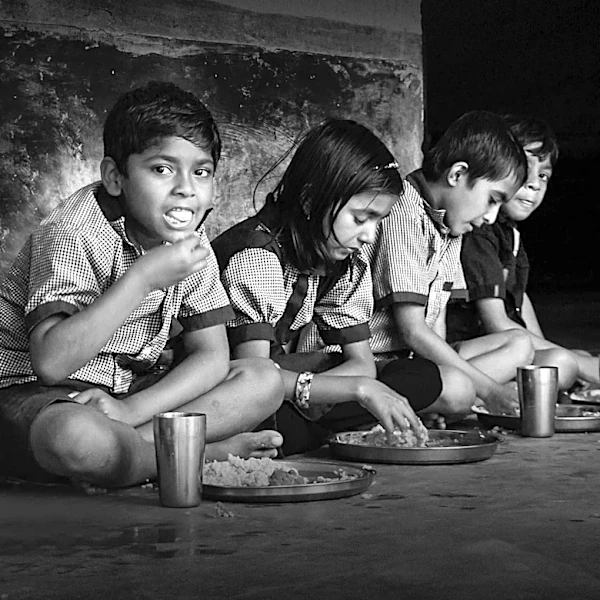
Kids Food Basket, a non-profit organization in West Michigan, is expanding its community-centered agriculture initiatives to provide fresh produce and educational opportunities to local children. The organization operates two farms that supply thousands
of servings of fresh produce to underserved communities through various programs, including Sack Supper distribution. These farms feature greenhouses for year-round growing, education centers, sensory gardens, and beehives, utilizing sustainable growing methods. The Kent County farm is located in Grand Rapids, while the Holland Farm serves Ottawa and Allegan counties. Additionally, an educationally focused growing space in Muskegon supports the organization's mission. Through these efforts, Kids Food Basket aims to educate children about plant growth, the taste of fresh produce, and the importance of pollinators, fostering a lasting understanding of healthy food.
Why It's Important?
This initiative is crucial for addressing food insecurity and promoting nutritional education in West Michigan. By providing direct access to fresh, locally grown produce, Kids Food Basket helps mitigate the challenges faced by underserved communities in obtaining healthy food options. The hands-on agricultural education offered at their farms empowers children with knowledge about sustainable food systems and healthy eating habits, which can have long-term positive impacts on their well-being. Furthermore, the program fosters community engagement through volunteer opportunities, strengthening local connections to whole foods. This model demonstrates a tangible approach to improving public health and food access, potentially serving as a blueprint for other regions grappling with similar issues.
What's Next?
Kids Food Basket plans to continue its efforts in community-centered agriculture, focusing on expanding its reach and impact within West Michigan. The organization will likely seek to increase its network of 'Farm to Pantry' partners to distribute more regular crop deliveries. Continued volunteer engagement will be essential for sustaining farm operations and educational programs. The organization will also likely explore further integration of its agricultural education into local school curricula or community programs to broaden its educational footprint. Ongoing fundraising and community support will be vital to maintain and expand these initiatives, ensuring a consistent supply of fresh produce and educational experiences for children in the region.
Beyond the Headlines
The work of Kids Food Basket highlights a broader societal shift towards localized food systems and community-driven solutions for social issues. Beyond simply providing food, the initiative addresses systemic problems like lack of nutritional education and limited access to fresh produce in low-income areas. It underscores the ethical imperative of ensuring all children have access to healthy food, recognizing its fundamental role in their development and future potential. The emphasis on hands-on learning also promotes environmental stewardship and an understanding of ecological processes, fostering a generation more connected to their food sources and the natural world. This approach moves beyond traditional charity, building sustainable community assets that empower individuals and strengthen local food economies.