






What's Happening?
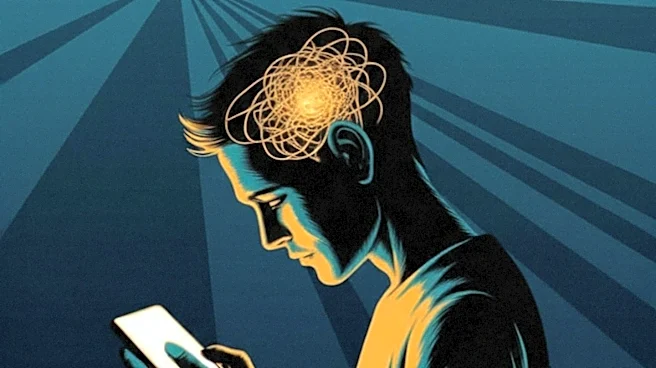
Governments globally, including Australia and the UK, are actively considering or implementing restrictions on social media access for individuals under 16 years old. Australia has already legislated such a ban, and the UK government plans to introduce
similar measures by spring 2027. These actions stem from increasing concerns regarding the mental health and well-being of teenagers. However, a fundamental challenge remains in defining what precisely constitutes 'social media' for regulatory purposes. Current proposals, like the UK's, are expected to follow the Australian model, encompassing platforms such as Instagram, TikTok, Snapchat, Facebook, YouTube, and X, while exempting messaging services like WhatsApp and Signal. Research indicates that public perception of what counts as social media often differs from these official definitions, with many considering WhatsApp to be social media despite its proposed exemption, and opinions split on platforms like Roblox, blogs, and forums.
Why It's Important?
The debate surrounding social media bans for minors highlights a critical intersection of public health, technology regulation, and individual freedoms. While policymakers aim to mitigate harms like cyberbullying, exposure to harmful content, and addictive platform features, the effectiveness and scope of such bans are under scrutiny. The varying public understanding of 'social media' could lead to regulations that are difficult to communicate, implement, and evaluate, potentially creating loopholes or over-regulating platforms not universally perceived as social media. This initiative also raises questions about where the responsibility for online harms truly lies—whether with individual users, parents, or the technology companies themselves. The nuanced views of young people, who acknowledge both the risks and benefits of social media, underscore the complexity of crafting effective policy that protects mental health without undermining positive aspects like community building and support networks.
What's Next?
As governments move forward with these regulations, there will likely be continued debate and refinement of what platforms fall under the definition of 'social media.' The UK's planned implementation by spring 2027 suggests a period of further policy development and public consultation. Technology companies may face increased pressure to adapt their platforms to comply with age restrictions and implement stronger safeguards against harmful content and addictive design. Future regulation will need to be grounded in robust evidence regarding risks and a clear, shared understanding of the technologies being governed to ensure effectiveness. The focus may shift towards stronger regulation of harmful content, algorithms, age-appropriate design features, accessible reporting mechanisms, transparency, and platform accountability, rather than solely restricting access.
Beyond the Headlines
Beyond the immediate regulatory challenges, these discussions touch upon deeper societal implications regarding digital literacy and the evolving nature of online interaction. The differing perceptions of what constitutes social media reveal a gap between legislative frameworks and the lived experiences of users. This could lead to a fragmented regulatory landscape where similar online activities are treated differently based on arbitrary definitions. Furthermore, the emphasis on restricting access for young people, while important, may overshadow the need for broader reforms that address the design choices of technology companies that contribute to online harms for all users, regardless of age. The long-term impact on digital citizenship and the development of online communities for future generations remains a significant, unaddressed concern.