







What's Happening?
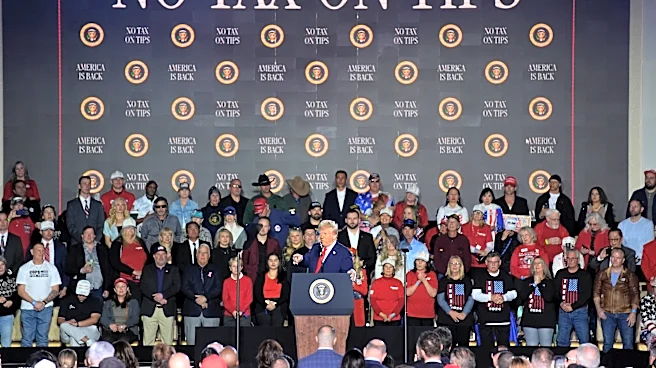
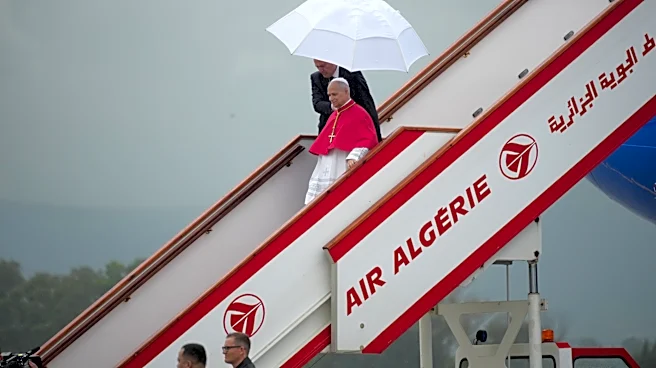
President Trump has been criticized for sharing AI-generated images depicting him in various roles, including as a medical professional and a Jesus Christ-figure. These images have sparked controversy, with critics accusing Trump of blasphemy and misrepresentation.
The use of AI imagery has been a recurring theme in Trump's campaign and presidency, often portraying him in exaggerated or fantastical roles. Despite backlash, Trump continues to share these images, which he claims are meant to rally his base and distract from other issues.
Why It's Important?
The controversy surrounding Trump's use of AI-generated images highlights the ethical and cultural implications of digital manipulation in political discourse. It raises concerns about the impact of such imagery on public perception and the potential for misinformation. The use of AI in political campaigns can influence voter opinions and shape narratives, underscoring the need for transparency and accountability in digital media. This issue also reflects broader debates on the role of technology in politics and the challenges of regulating digital content.
What's Next?
As AI technology continues to evolve, political figures may increasingly use digital imagery to craft their public personas. This trend could lead to further scrutiny and calls for regulation to prevent misuse and ensure ethical standards. The ongoing controversy may prompt discussions on the responsibilities of public figures in using technology and the impact of digital manipulation on democratic processes.
Beyond the Headlines
The fascination with AI-generated images reflects a cultural shift towards digital representation and the blending of reality with fantasy. It raises questions about the influence of technology on identity and the ways in which public figures navigate their image in the digital age. The use of AI in political contexts may also contribute to discussions on the intersection of technology, ethics, and cultural values.