




What's Happening?
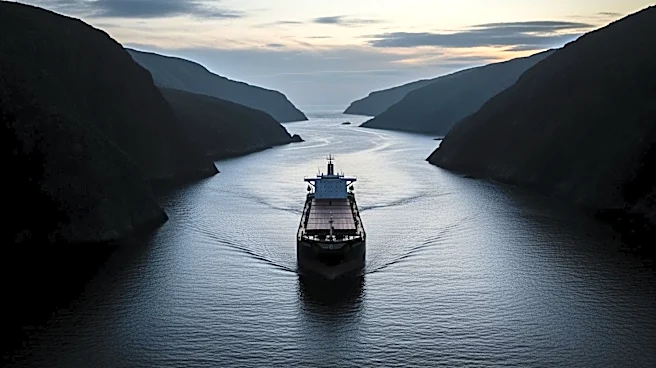
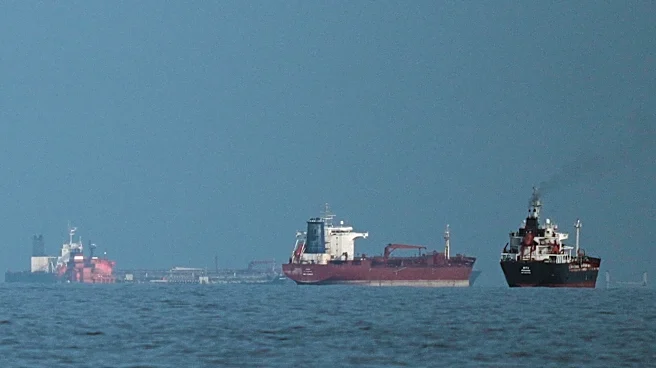
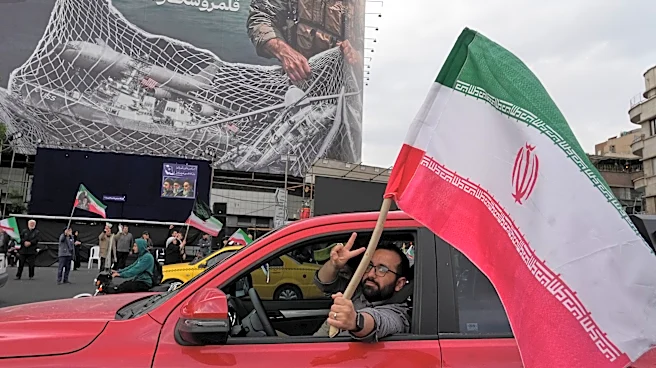
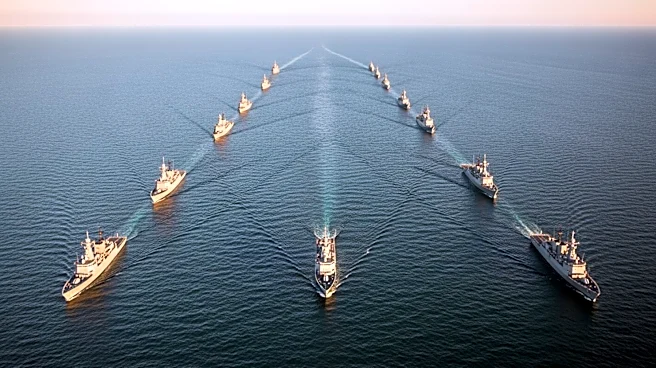
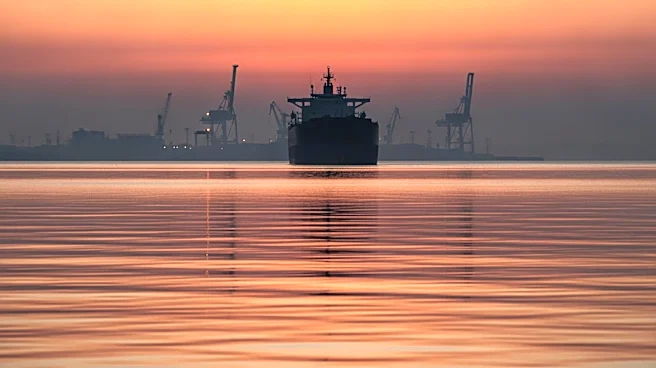
The U.S. military has announced plans to blockade all of Iran's ports and coastal areas starting at 10 a.m. ET. This decision follows failed peace talks over the weekend, with President Donald Trump stating that he is not pressing Iran for further negotiations.
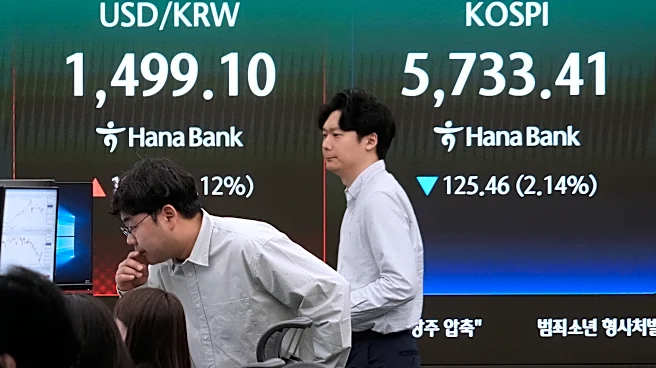
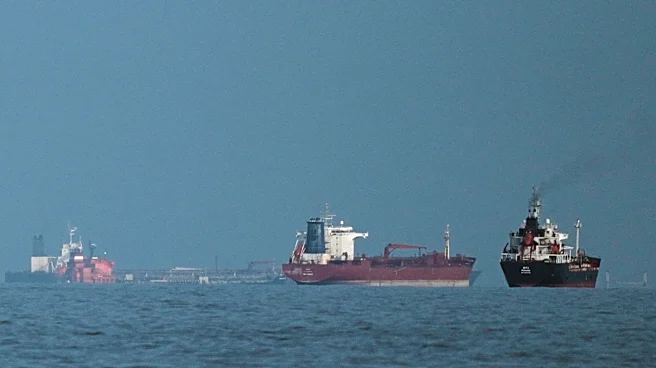
The blockade will allow ships to transit the Strait of Hormuz if traveling between non-Iranian ports. The announcement has led to a surge in crude oil prices, with U.S. crude oil rising 8% to over $104 per barrel. The blockade is expected to impact global markets and consumer prices, with gas prices already averaging $4.12 nationally.
Why It's Important?
The blockade of Iran's ports is a significant escalation in U.S.-Iran relations, potentially affecting global oil supply and prices. The Strait of Hormuz is a critical chokepoint for global oil shipments, and any disruption could have widespread economic implications. The increase in oil prices may lead to higher costs for consumers and businesses, impacting economic growth and inflation. The decision also reflects ongoing geopolitical tensions and the challenges of negotiating peace in the region, with potential consequences for international diplomacy and security.
What's Next?
The blockade may lead to further diplomatic efforts to resolve tensions between the U.S. and Iran. International stakeholders, including the European Union and Middle Eastern countries, may seek to mediate or influence the situation to prevent further escalation. The U.S. government may face domestic and international pressure to reconsider its approach, especially if economic impacts worsen. Monitoring developments in oil markets and geopolitical responses will be crucial in understanding the broader implications of this decision.
Beyond the Headlines
The blockade raises questions about the effectiveness of military strategies in achieving diplomatic goals and the potential for unintended consequences. It also highlights the interconnectedness of global markets and the vulnerability of economies to geopolitical events. The situation may prompt discussions about energy independence and the need for alternative sources of energy to mitigate reliance on oil from volatile regions.