






What's Happening?
North Charleston, South Carolina, is developing a Comprehensive Safety Action Plan to enhance road safety, particularly on its most dangerous thoroughfares. This initiative is funded by the U.S. Department of Transportation’s Safe Streets and Roads for
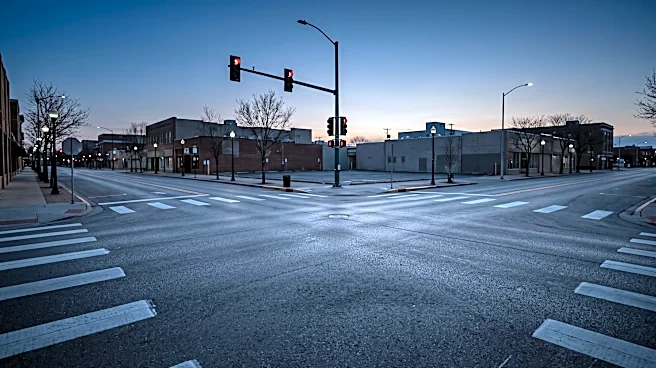
All program. The city is actively seeking input from residents who drive, walk, and bike in the area to identify critical areas for improvement. Data from the South Carolina Department of Transportation indicates that four of the five deadliest roads in Charleston County are located within North Charleston, underscoring the urgent need for this plan. The plan aims to prioritize future projects and policies, which may include implementing safer pedestrian crossings, upgrading lighting, updating signage, and making other roadway improvements. City leaders emphasize a holistic approach to safety, considering all road users, not just commuters. Adam MacConnell, the city’s director of special projects, highlighted that traffic patterns can lead to congestion and safety concerns affecting the entire region. The city is also considering how minor improvements, such as clearer signage, better pavement markings, and flashing beacon lights at crosswalks, can significantly reduce serious injuries and fatalities.
Why It's Important?
This initiative is crucial for North Charleston as it directly addresses a significant public safety concern, with the city hosting a disproportionate number of Charleston County's deadliest roads. By involving residents, the plan ensures that improvements are tailored to the community's actual needs and experiences, potentially leading to more effective and sustainable solutions. The funding from the U.S. Department of Transportation's Safe Streets and Roads for All program highlights a national recognition of the importance of local road safety and provides essential resources for cities like North Charleston. Improved road safety can lead to a reduction in accidents, injuries, and fatalities, thereby enhancing the quality of life for residents and reducing the strain on emergency services. Furthermore, better infrastructure and safer routes can encourage more active transportation methods like walking and biking, contributing to public health and environmental benefits. The focus on holistic safety, considering all users, sets a precedent for urban planning that prioritizes community well-being over mere traffic flow, potentially influencing future urban development strategies in other U.S. cities facing similar challenges.
What's Next?
North Charleston is currently using feedback from a public survey, which closed last month, to form a focus group composed of residents. The city plans to select approximately 10 to 12 residents for this group, ensuring diverse representation from people of all ages, abilities, backgrounds, and neighborhoods who utilize the city's streets and transportation system in various ways, including walkers, cyclists, public transit users, drivers, and those using mobility devices. This focus group will help identify issues that might not be apparent from crash data alone. The city will continue to evaluate policies, procedures, and projects, including education and enforcement measures, to improve safety outcomes. The insights gathered from the focus group will directly inform the prioritization of specific safety improvements, ranging from minor adjustments like clearer signage to potentially larger infrastructure projects. The ongoing engagement with the community is expected to lead to a more comprehensive and effective safety plan that addresses the unique challenges of North Charleston's roadways.
Beyond the Headlines
The North Charleston initiative reflects a broader national trend towards Vision Zero and other comprehensive safety approaches that aim to eliminate traffic fatalities and serious injuries. By integrating community input, the city is not only addressing immediate safety concerns but also fostering a sense of civic engagement and ownership over public infrastructure. This participatory planning model can lead to more equitable outcomes, as it ensures that the voices of vulnerable road users, such as pedestrians and cyclists, are heard alongside those of drivers. The emphasis on 'small investments' like improved signage and crosswalk lighting underscores a shift from solely focusing on large-scale construction to recognizing the cumulative impact of targeted, cost-effective interventions. This approach could serve as a model for other municipalities looking to improve road safety without undertaking massive, budget-intensive projects. Ultimately, this plan has the potential to transform North Charleston's urban environment into a more accessible, safer, and livable space for all its residents, promoting sustainable urban development and community well-being.