




What's Happening?
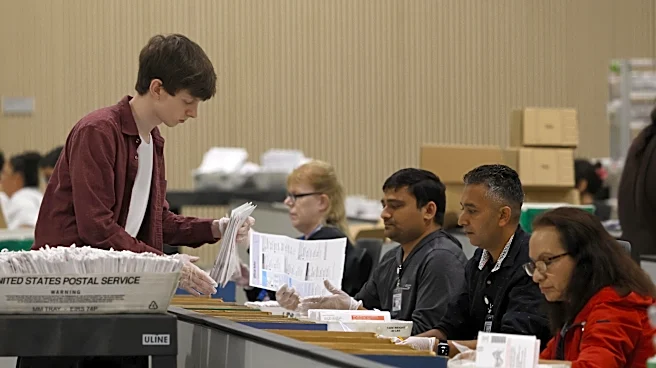
Following recent elections in Portland, Oregon, which saw Governor Tina Kotek secure another term, all six City Council incumbents retain their seats, and Multnomah County Commissioner Shannon Singleton ascend to the chair's position, readers are expressing
diverse opinions on the outcomes. The balance of power in Oregon and Portland largely remained unchanged. Discussions revolve around the effectiveness of the new voting system, including ranked-choice voting and public campaign financing, with some readers arguing it favors incumbents and hinders new candidates. Others defend the new governmental structure, suggesting it promotes open discussion of city issues. Concerns are also being raised about the city's management, economic growth, and public safety, particularly in the downtown core.
Why It's Important?
The ongoing debate among Portland residents highlights significant concerns about local governance and the democratic process. The criticisms regarding ranked-choice voting and public campaign financing could influence future electoral reform discussions, potentially leading to calls for adjustments or repeals of these systems. The perceived lack of change in leadership, despite new voting mechanisms, may fuel public skepticism about the efficacy of such reforms. Furthermore, the expressed dissatisfaction with the city's handling of economic growth, business environment, and public safety underscores the challenges facing Portland's leadership. If these issues are not addressed effectively, they could impact the city's economic vitality and residents' quality of life, potentially leading to further political polarization and civic unrest.
What's Next?
The current political landscape in Portland suggests that debates over governance, economic policy, and public safety will continue for the foreseeable future. With the balance of power largely unchanged, the city's leadership will likely face ongoing scrutiny regarding their ability to address persistent issues such as commercial property value decline, small business closures, and public safety concerns. Discussions around the new voting system may intensify, potentially leading to organized efforts to challenge or modify it in upcoming election cycles. Stakeholders, including business owners, community groups, and residents, will likely continue to voice their opinions and push for policy changes that they believe will improve the city's trajectory. The effectiveness of the current leadership in navigating these challenges will be a key focus in the coming years.
Beyond the Headlines
The reader responses to Portland's election results reveal a deeper tension within the community regarding the city's identity and future direction. The criticisms of the new voting system and the perceived entrenchment of incumbents touch upon fundamental questions of democratic representation and accountability. The concerns about economic growth and public safety reflect a broader struggle many urban centers face in balancing progressive ideals with practical governance. The sentiment that 'the system is rigged' or that 'nobody is directly accountable' could erode public trust in institutions and foster political apathy or, conversely, galvanize grassroots movements for more radical change. This ongoing dialogue is indicative of a city grappling with its values and the mechanisms through which those values are translated into policy and leadership.