

What's Happening?
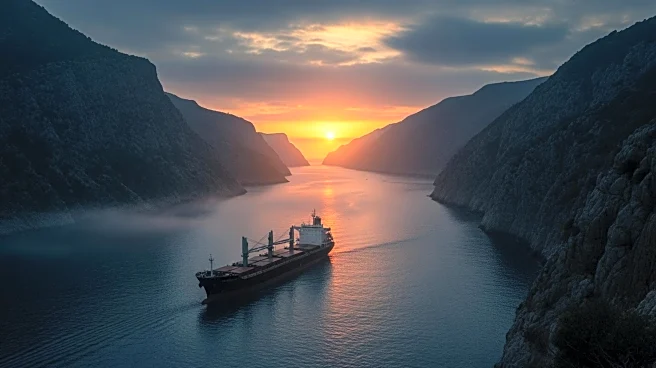
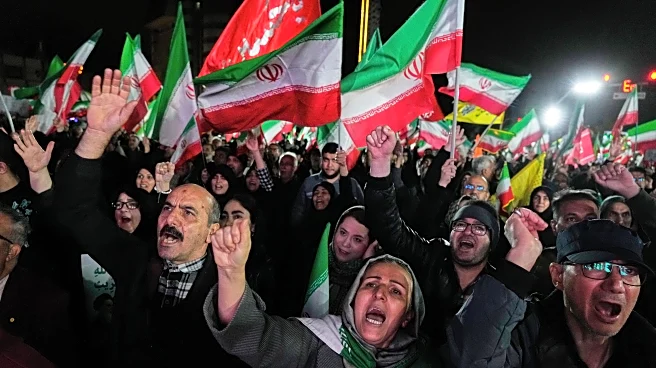
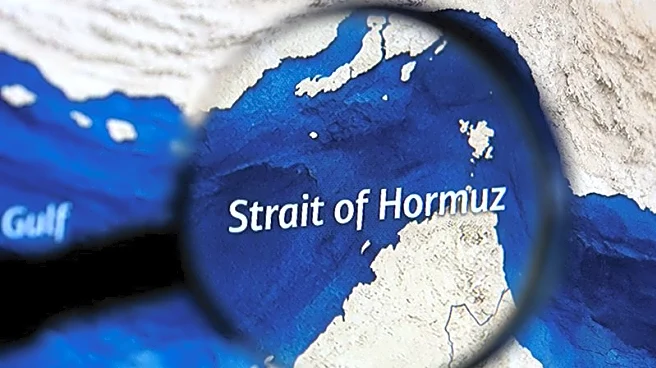
The ongoing conflict involving Iran has led to the blockade of the Strait of Hormuz, a critical chokepoint through which a significant portion of the world's oil and liquefied natural gas is transported. This blockade has resulted in a global energy crisis,
with rising gas prices causing panic buying and shortages at gas stations worldwide. The situation is exacerbating existing supply chain issues, affecting not only energy but also other sectors such as fertilizer and seafood. The United Nations Conference on Trade and Development has highlighted the potential for widespread market disruptions, drawing parallels to past crises like the COVID-19 pandemic and the war in Ukraine.
Why It's Important?
The blockade of the Strait of Hormuz by Iran is a significant geopolitical event with far-reaching implications for global energy markets. The strait is a vital artery for the transportation of oil and gas, and its closure has led to increased energy prices, impacting consumers and industries worldwide. The ripple effects are being felt across various sectors, including agriculture, where fertilizer shortages could threaten food security. The situation underscores the vulnerability of global supply chains to geopolitical tensions and highlights the interconnectedness of energy, transport, and agricultural markets. Stakeholders, including governments and businesses, must navigate these challenges to mitigate economic disruptions.
What's Next?
As the situation develops, countries and industries are likely to seek alternative energy sources and supply routes to mitigate the impact of the blockade. Governments may implement measures such as fuel subsidies or strategic reserves to stabilize domestic markets. The international community may also engage in diplomatic efforts to resolve the conflict and reopen the Strait of Hormuz. Businesses will need to adapt to the changing landscape, potentially accelerating investments in renewable energy and diversifying supply chains to reduce dependency on vulnerable routes.
Beyond the Headlines
The current energy crisis highlights the need for a more resilient and sustainable global energy system. The reliance on a few critical chokepoints for energy transportation makes the global economy susceptible to geopolitical disruptions. This situation may accelerate the transition to renewable energy sources and the development of more decentralized energy systems. Additionally, it raises ethical questions about the balance between national security interests and global economic stability, as well as the role of international cooperation in addressing such challenges.