


What's Happening?
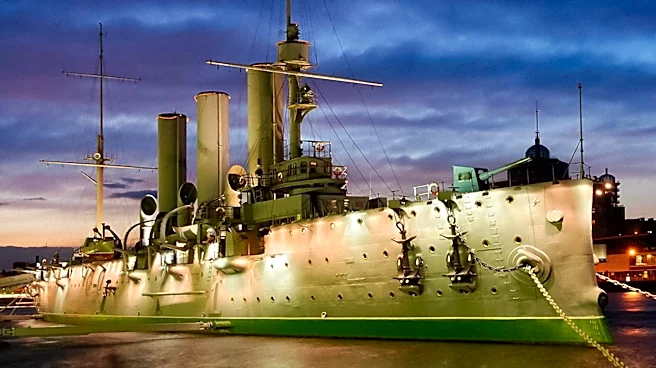
The Danube River, Europe's second-longest river, is experiencing record low water levels due to a severe drought, leading to the emergence of World War II German battleships. These ships, part of Nazi Germany's Black Sea fleet, were deliberately sunk
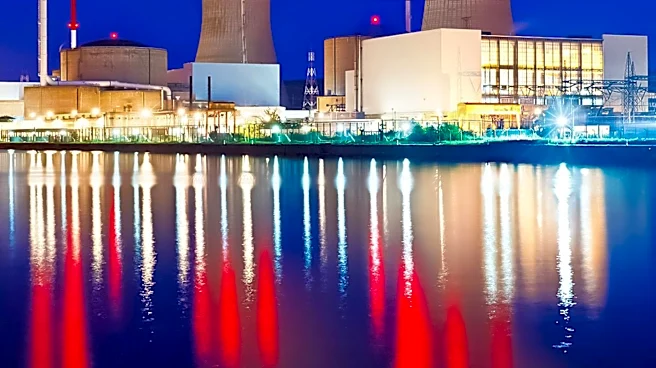
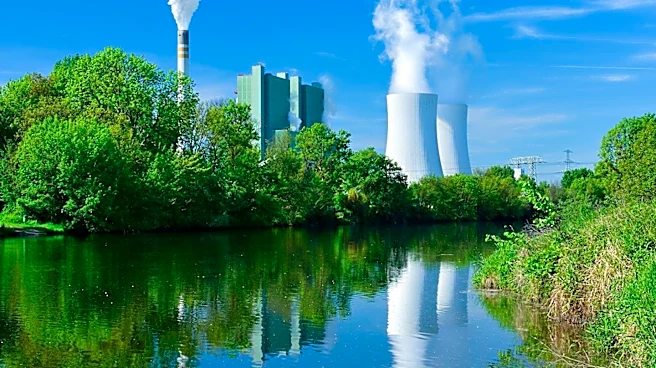
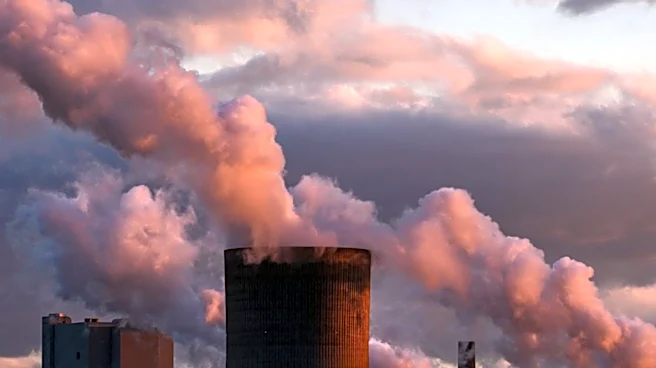
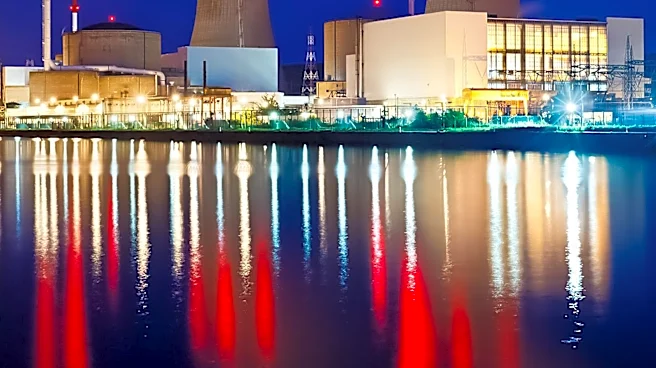
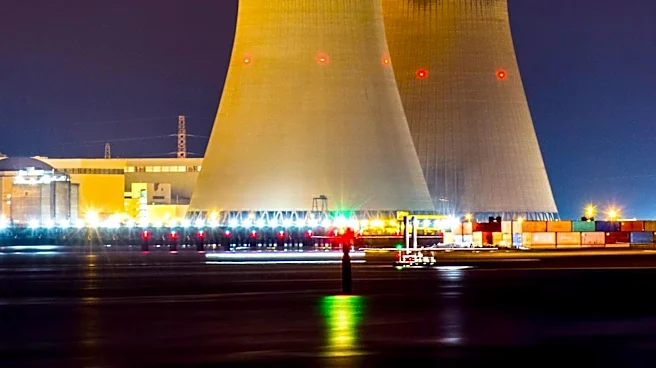
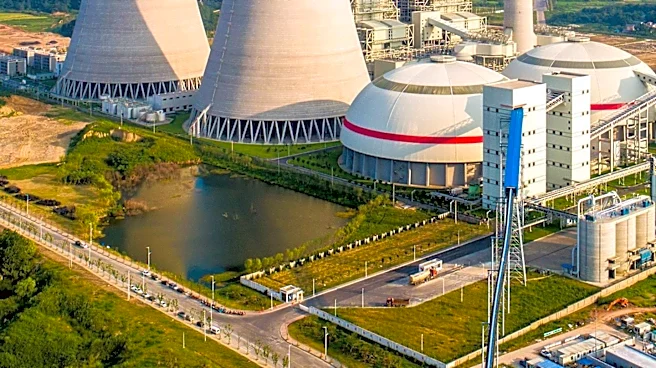
in 1944 to slow the Soviet advance. The low water levels are not only revealing these historical artifacts but are also threatening the operation of power plants in Central and Eastern Europe. Governments in the region are taking measures to conserve electricity as the drought continues to impact the river, which is crucial for transportation and energy production.
Why It's Important?
The emergence of these WWII ships highlights the severe impact of climate change and drought on Europe's waterways. The Danube is a vital artery for commerce and energy, and its low levels are causing significant disruptions. Power plants relying on the river for cooling are at risk of shutting down, which could lead to energy shortages. This situation underscores the urgent need for climate adaptation strategies and highlights the historical and environmental significance of the Danube. The event also serves as a reminder of the lasting impacts of historical conflicts on modern infrastructure and the environment.