




What's Happening?
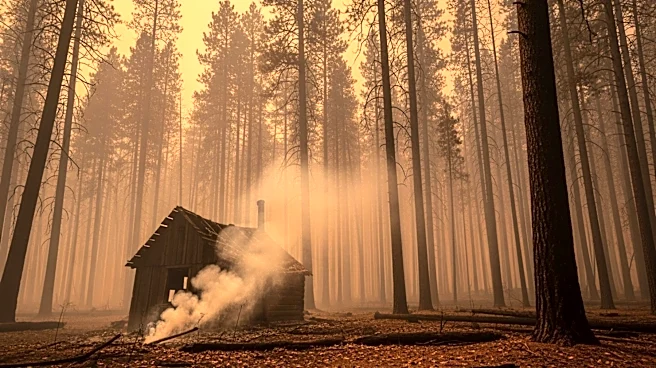
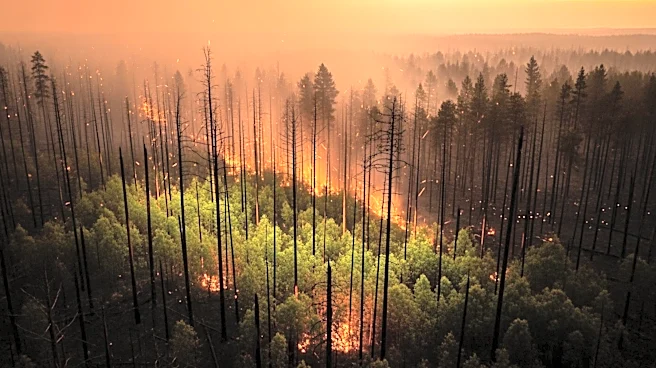
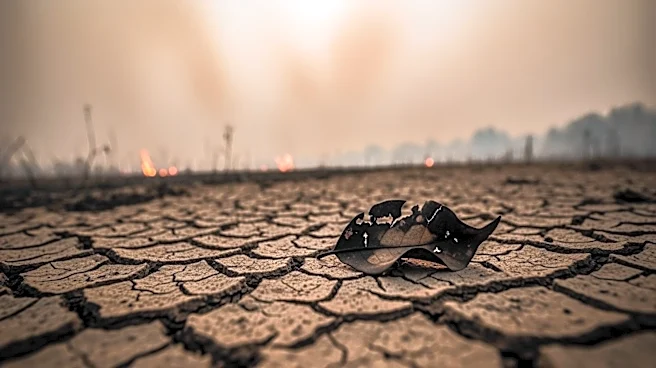
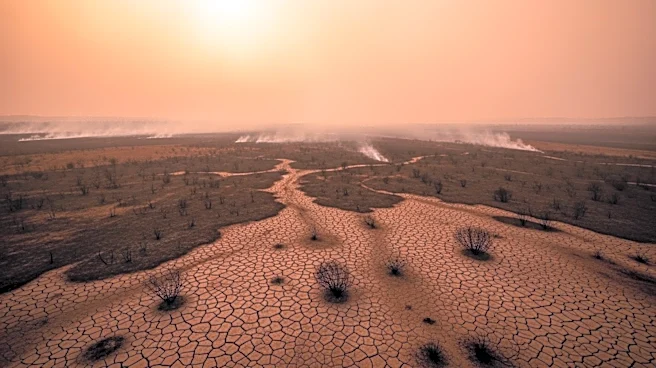
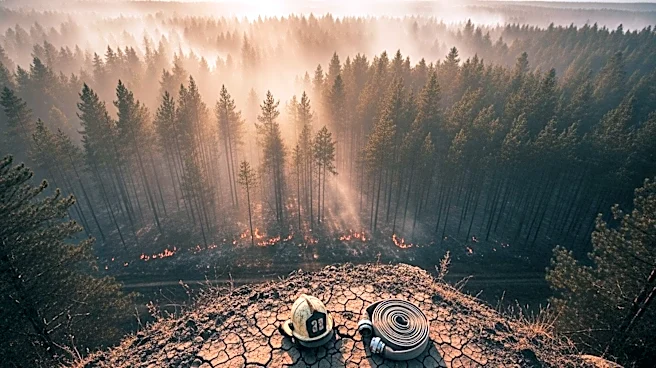
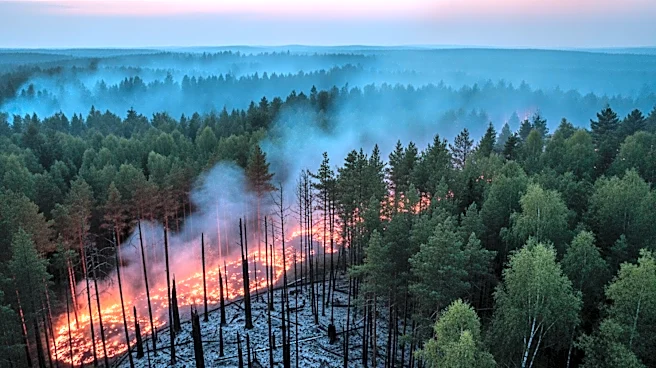
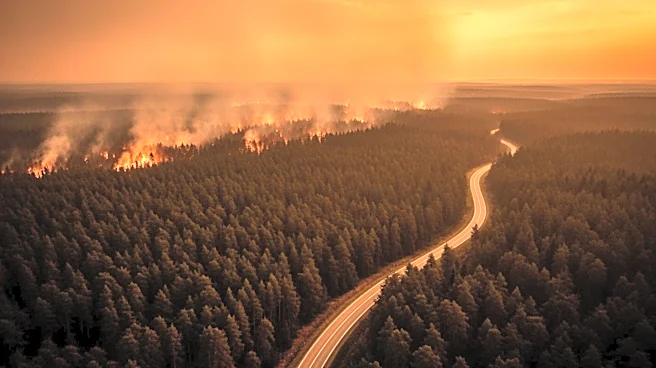
In southeast Georgia, a series of wildfires have caused significant destruction, with the Highway 82 Fire and the Pineland Road Fire being the most severe. These fires have destroyed over 120 homes and forced the evacuation of thousands of residents.
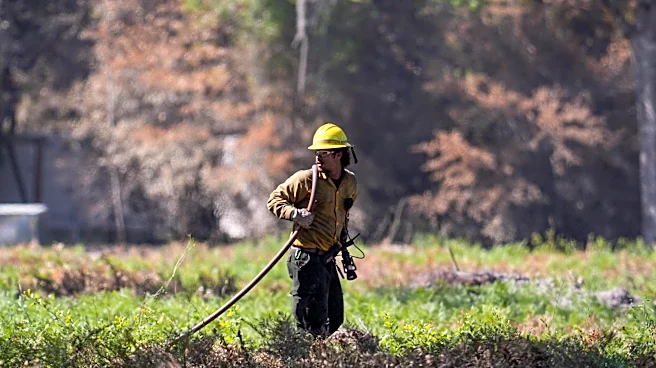
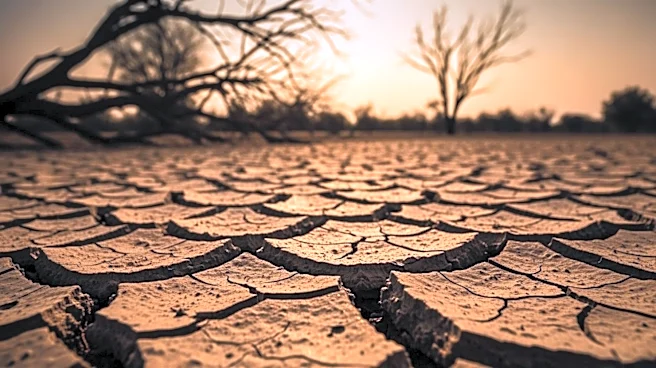
The fires, exacerbated by severe drought conditions, have left a trail of devastation, including the loss of homes, vehicles, and personal belongings. Local residents, such as Brytney Quinn, have shared their experiences of losing everything within minutes. The fires have also claimed the life of a volunteer firefighter in Florida. In response, community members and local businesses have rallied to support those affected, offering free meals and other forms of assistance.
Why It's Important?
The wildfires in Georgia highlight the increasing frequency and intensity of natural disasters, likely linked to climate change and environmental conditions. The destruction of homes and displacement of residents underscore the urgent need for effective disaster management and support systems. The community's response, with local businesses and individuals stepping up to help, demonstrates the resilience and solidarity in times of crisis. However, the economic and emotional toll on affected families is significant, with many facing the daunting task of rebuilding their lives from scratch. This situation also raises questions about preparedness and the adequacy of current infrastructure to handle such emergencies.
What's Next?
As the fires continue to burn, efforts are focused on containment and providing relief to those displaced. Authorities are likely to assess the damage and begin planning for recovery and rebuilding efforts. The situation may prompt discussions on improving fire prevention strategies and enhancing community resilience against future disasters. Additionally, there may be calls for increased support from state and federal agencies to aid in recovery efforts and to address the underlying environmental factors contributing to such disasters.
Beyond the Headlines
The wildfires in Georgia not only highlight the immediate impact on affected communities but also bring attention to broader environmental and policy issues. The increasing occurrence of such disasters may lead to more significant discussions on climate change policies and the need for sustainable land management practices. Furthermore, the emotional and psychological impact on residents, particularly children, could have long-term effects, necessitating mental health support and community rebuilding initiatives.